Automation has changed the way manufacturing works. It’s faster, leaner, more consistent, and more cost-effective than ever before. But when it comes to leak testing, automation can introduce new challenges that slow things down instead of speeding things up.
That’s something we’ve seen firsthand at VES, where we work closely with manufacturers integrating leak testing into increasingly automated and high-throughput environments. If you’re building toward full automation, or already there, and struggling to make leak testing fit smoothly into your process, you’re not alone.
The good news is that leak testing doesn’t have to be the bottleneck. With the right approach, it can be a seamless part of your production flow, fully aligned with your goals around speed, traceability, and consistency.
Where Leak Testing Often Goes Wrong
Many leak test systems are still designed with manual operation in mind. They might be accurate, but they rely on an operator to load parts, select test cycles, trigger the process, interpret results, or move the part on to the next stage. This makes sense for low-volume or prototype testing, but it doesn’t scale well when you’re trying to run hundreds or thousands of parts a day.
Even systems that are “semi-automated” often don’t communicate well with upstream or downstream equipment. They may not sync with your data tracking systems or plant-wide control software. In some cases, the cycle time for testing is too long or too inconsistent, causing a queue to form that disrupts the rest of the line.
If leak testing feels like the one part of your process that hasn’t caught up with the rest, it’s probably because the system wasn’t built with automation in mind.
What Makes a Leak Test System Automation-Ready
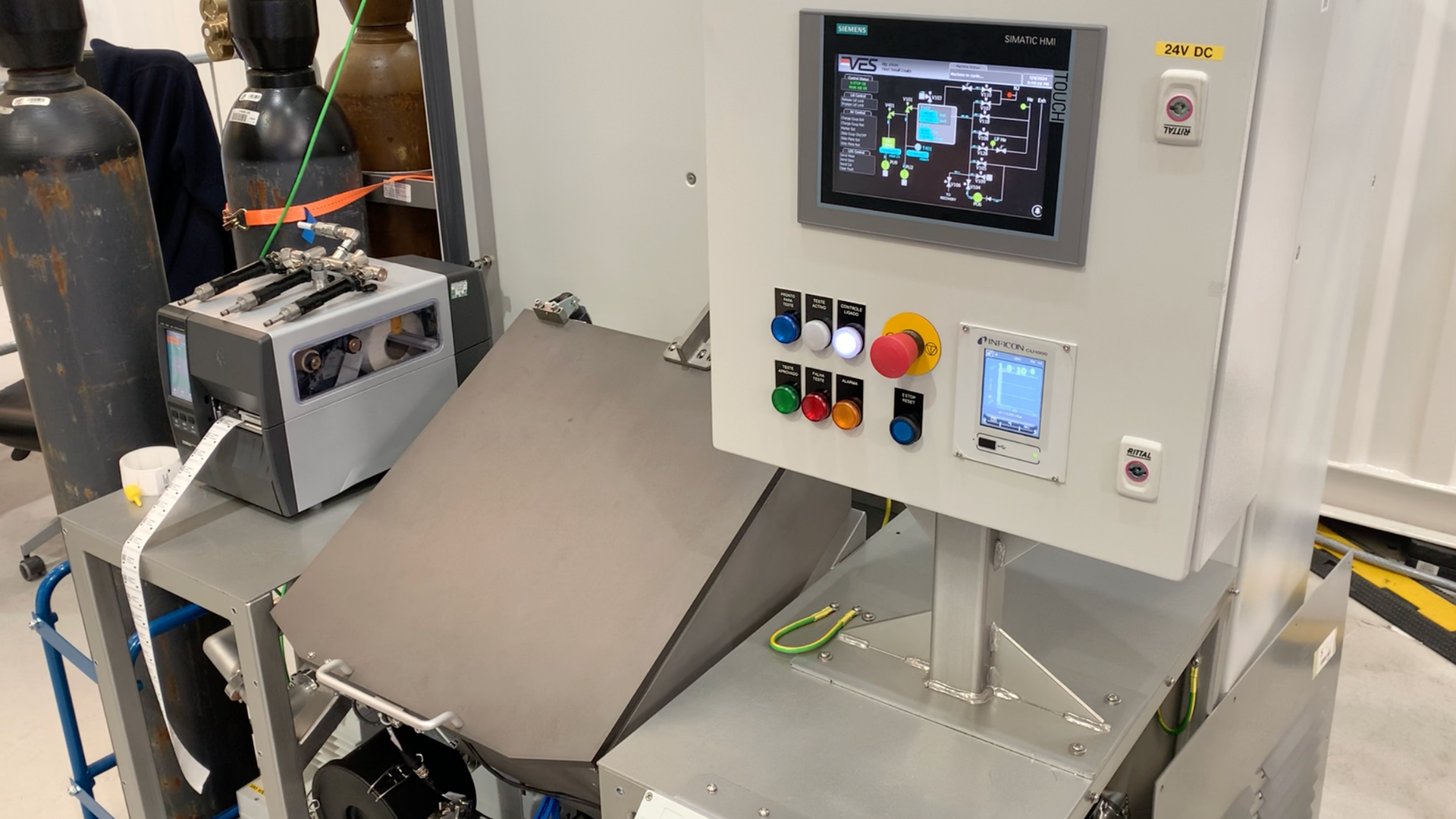
To fit properly into an automated line, a leak test system needs to do more than detect leaks. It needs to integrate, communicate, and adapt.
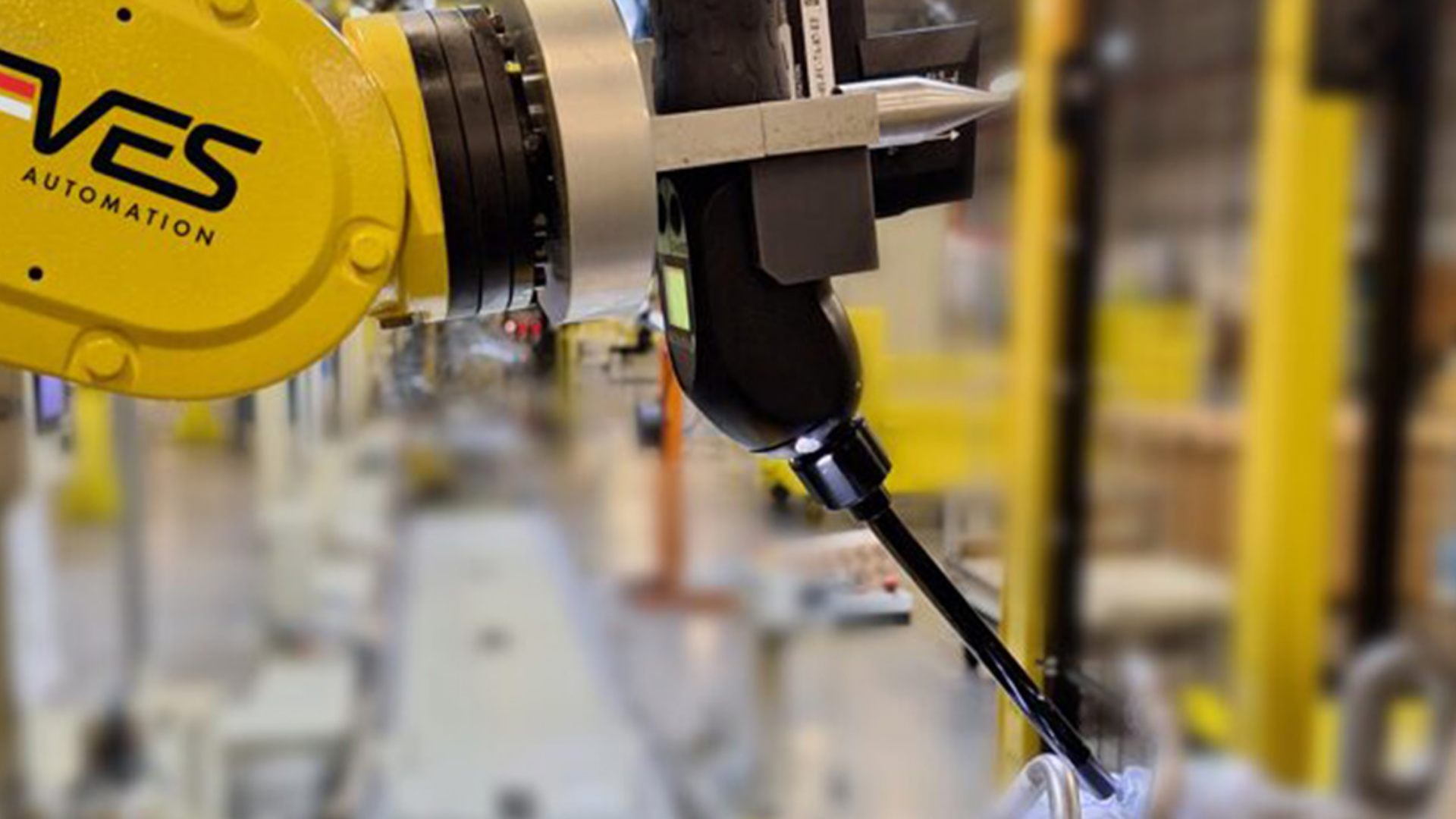
Integration means the system can work with robotic loaders, conveyors, and handling equipment. The interface should be open and configurable, so it fits with your existing line architecture without needing extensive rework.
Communication is essential for traceability. Whether you use a MES, SCADA, or a custom setup, the leak test system should share data in real time, including part ID, test results, cycle times, and diagnostic information. This helps with quality control, process improvement, and compliance reporting.
Adaptability is what keeps your line running smoothly. The system should support fast changeovers, allow for different test cycles depending on the part, and provide simple tooling options so you’re not stuck redesigning fixtures every time your product evolves.
When these three things are in place, leak testing stops being a standalone task. It becomes a streamlined part of your production line that supports your output, not slows it down.
Matching Test Speed With Production Throughput
One of the most common questions we get from manufacturers is, “Will this test system keep up with our line speed?”
That’s a fair concern. If your leak tester runs slower than your bottleneck process, it holds everything back. But if it runs too fast without giving accurate or stable results, quality suffers.
The key is finding the balance between speed and sensitivity. Depending on your application, this might involve using accumulation testing for moderate sensitivity needs or full vacuum methods for safety-critical parts. Test pressure, cycle time, and acceptable leak rates all need to be aligned with your product and your risk profile.
A well-designed automated system will meet your speed targets without cutting corners on accuracy. In fact, automation often improves consistency and repeatability, reducing false failures and saving time on rework.
Reducing Operator Dependency
In fully automated environments, the fewer tasks that require operator input, the better. This is especially true for leak testing, where human error or variability can affect data integrity.
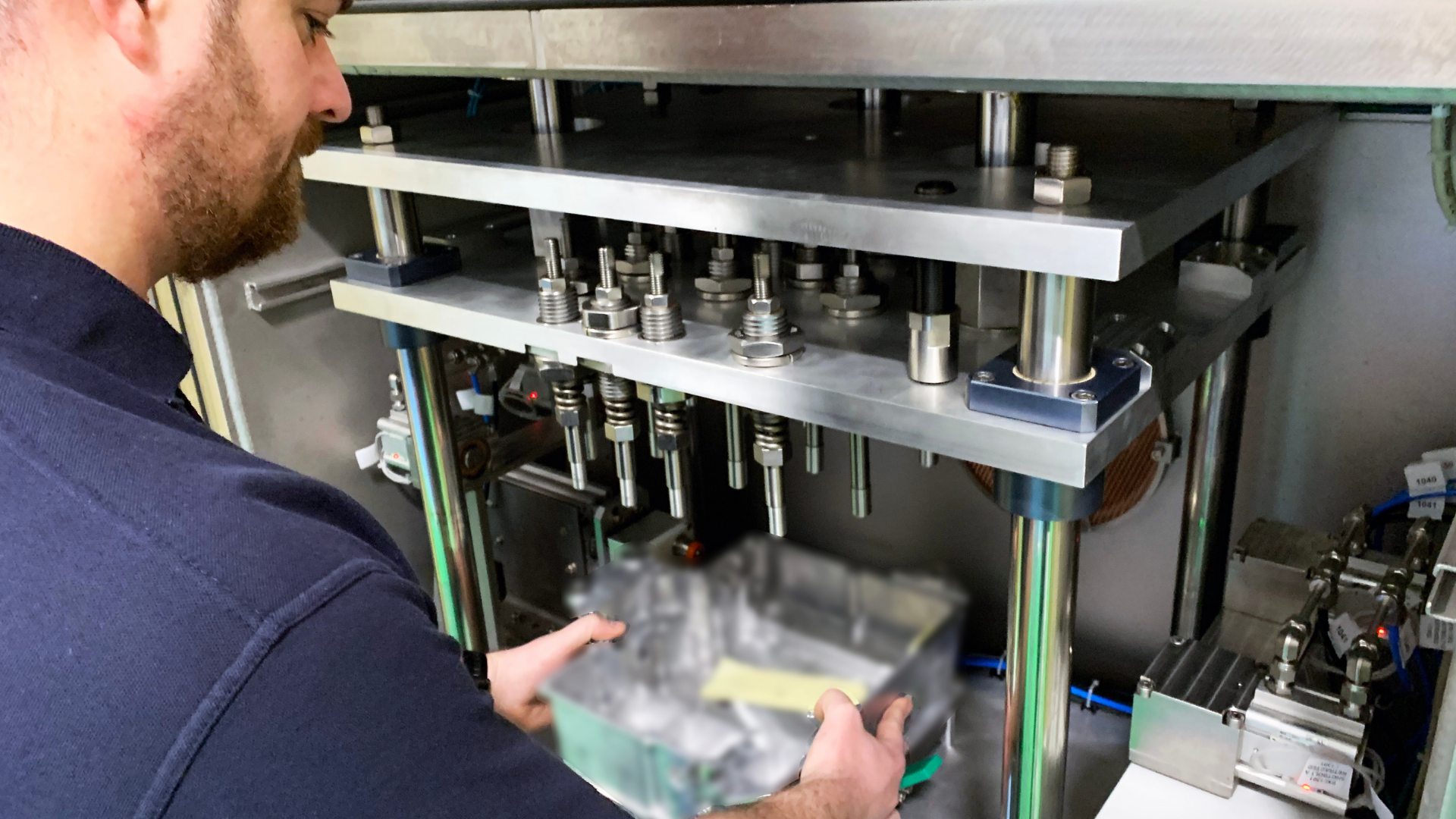
Modern systems can automate not just the test itself, but also part loading and unloading, result logging, barcode scanning, and even routing of failed parts to a separate area. This reduces labour costs and improves process reliability.
It also means you can keep production running even with lean teams or in shifts where technical support is limited. The machine becomes part of the team, doing its job with minimal supervision.
Planning for Flexibility and Growth
Automation isn’t a one-time setup. It evolves as your product changes, your volume increases, or new compliance requirements come into play. Your leak testing equipment should evolve with you.
That’s why modular systems are so useful. You can start with a single test station and expand to multiple chambers or automated stages as needed. If you move into new product lines or markets, you don’t need to start from scratch, you simply reconfigure or upgrade what you already have.
This approach protects your investment and keeps your automation strategy on track, even as things change around you.
Built for the Way You Work
VES designs leak test systems that are built from the ground up to integrate into modern, automated production environments. From flexible tooling and real-time data output to robotic compatibility and cycle time optimisation, everything is focused on helping you build a faster, smarter, more connected manufacturing process. If you’re ready to bring leak testing up to speed with the rest of your line, we’re here to help.