Everyone worries about the cold plate.
It sits directly on the processor, it has the finest internal channels, and it’s the component you picture when you imagine coolant reaching live hardware. It gets the attention in design reviews and it gets the attention in test specifications.
It’s also, in leak testing terms, one of the more straightforward parts of the loop.
A sealed assembly is a fixed problem
A cold plate is brazed or welded shut. Once it’s closed, its leak paths are whatever the joining process left behind: porosity, a cold joint, a crack at a fitting. Those paths don’t change. They don’t open when the part is handled and they don’t close when it’s put back. Test the assembly once, properly, and you’ve characterised it.
That isn’t a small job, and the rate you have to prove can be demanding. But it’s a stable problem with a stable answer.
A coupling is a mechanism
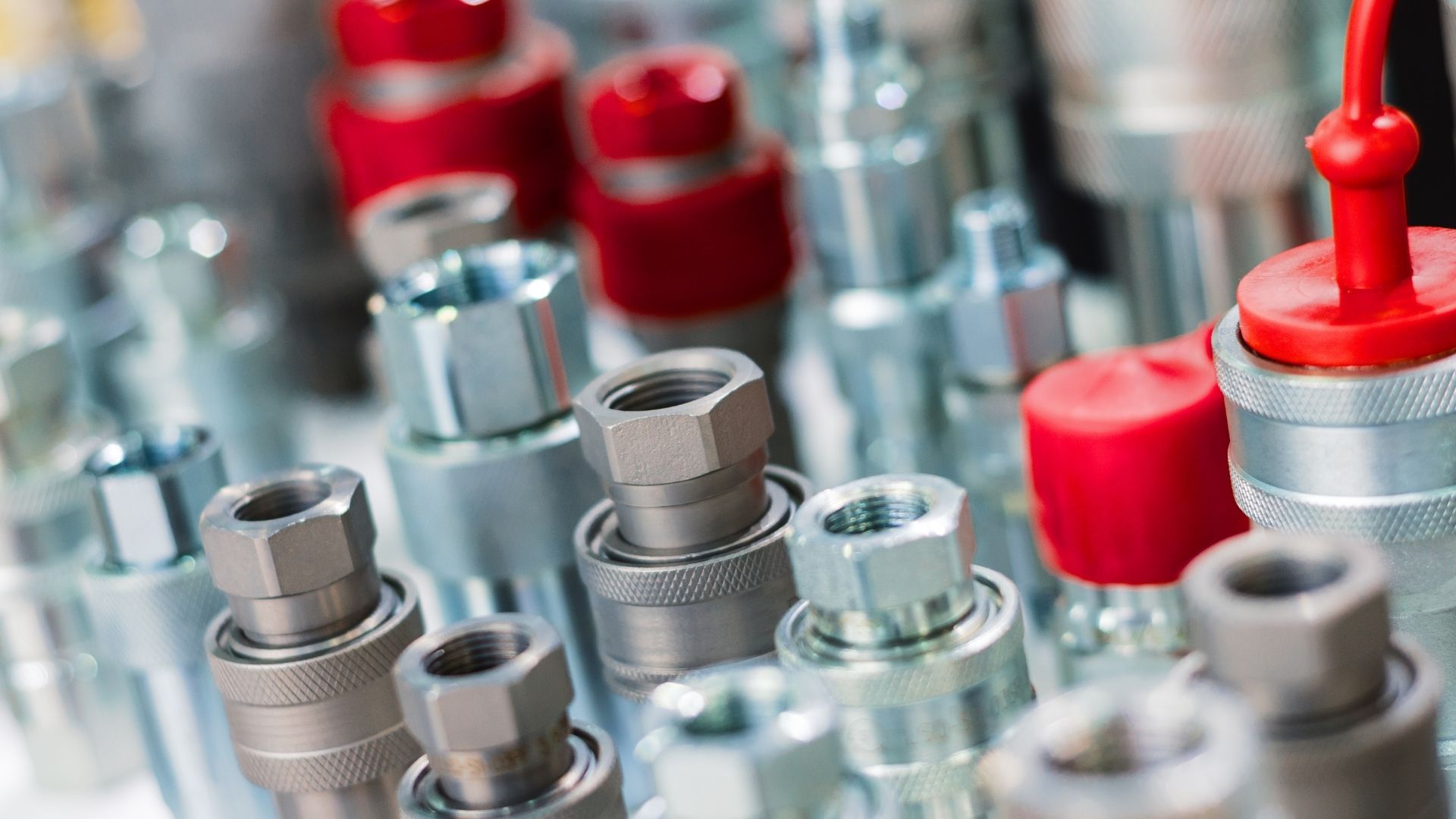
A quick disconnect coupling isn’t a sealed assembly. It’s a mechanism, with moving parts, dynamic seals and a valve that opens and closes. It’s designed to be taken apart and put back together, by hand, hundreds of times over its service life, often while the rack around it is live.
Four things have to be leak tight at the same time: the connection adaptor, the coupling mating half, the seal set and the valve mechanism. Each has its own failure mode, and proving three of them tells you nothing useful about the fourth.
Two states, not one
Here’s the part most test regimes miss. A coupling has to hold in two completely different states.
Open, the seal path runs through the joint between the halves, and the coupling behaves like a section of pipe.
Closed, each half has to hold its own contents on its own, with no drip, while somebody services the hardware next to it.
Those are different seals doing different jobs under different loads. A test that proves one state has proved half the product. The pass is real, and it isn’t evidence that the part will hold in the other.
What that means in production
If a coupling has more potential leak paths than almost anything else in the loop, and the consequence of one escaping is coolant above live electronics, then sampling doesn’t manage the risk. Couplings are consumable service items. They get swapped repeatedly across a hall. A batch defect propagates before anyone connects the dots.
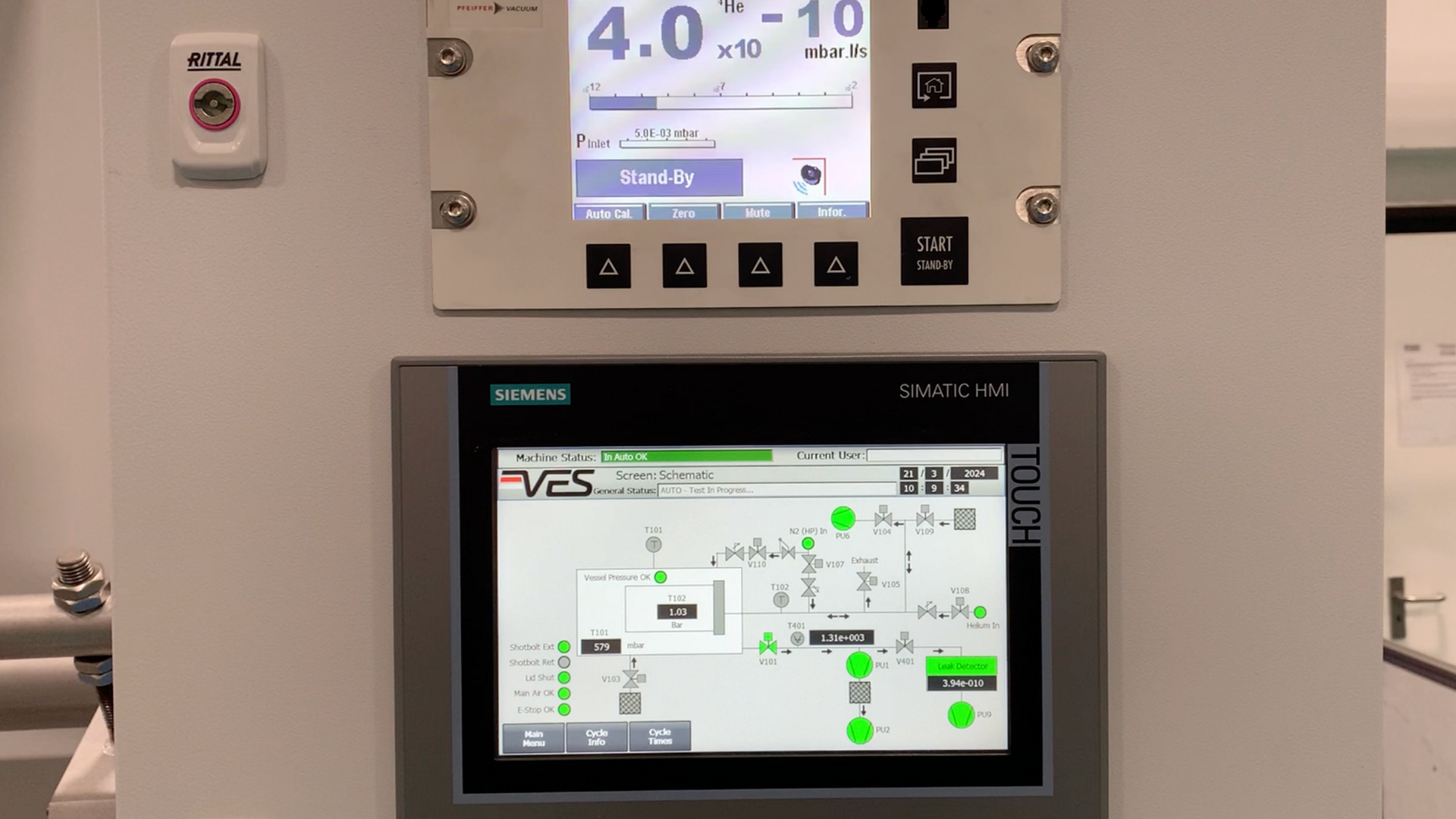
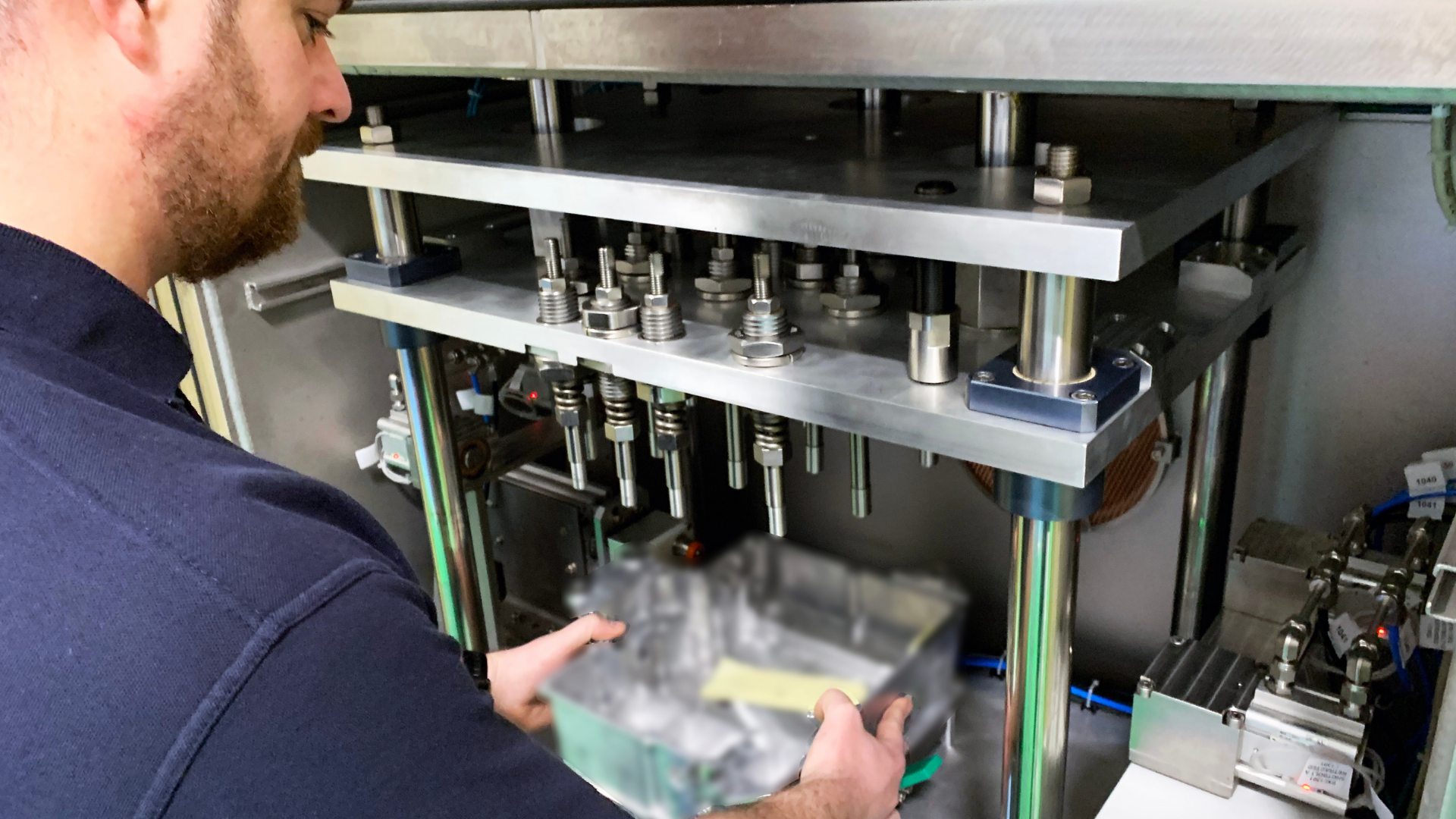
Which is why the systems we build test every unit rather than a sample, taking each half of the coupling in turn and recording a measured leak rate against it.
Where to go next
That’s the short answer to which component is hardest to prove. The longer answer covers the full coupling family, what each type demands of the tooling, how to set a leak rate you can actually verify, and what a test station has to do to survive contact with a production line.
If you’re specifying a test for a coupling, a cold plate or anything else in a cooling loop, our applications engineers will tell you what’s achievable at your rate and cycle time.