If you work in a high-volume production environment, you are likely used to seeing a lot of waste, but nothing is quite as painful as watching your helium supply disappear. Every time your leak test cycle finishes and you hear that hiss of gas being vented to the atmosphere, you are essentially watching your profit margin fly out through the roof. It is one of those hidden costs that many manufacturers have just accepted as part of doing business, but in today’s market, that approach is becoming harder and harder to justify.
The rising cost of doing nothing
The reality is that helium is not getting any cheaper or easier to find. We have all seen the headlines about global shortages and the price spikes that follow them. When you rely on a single-use gas model, you are completely at the mercy of the market. If the price of a cylinder doubles overnight, your cost per part tested goes right up with it. For many of the engineers we talk to at VES this creates a constant state of budget anxiety. You are essentially paying for the same resource over and over again, only to throw it away seconds after you have used it.
Why venting gas is like venting cash
Think about the other consumables in your factory. You would not dream of throwing away your expensive tools after a single use or dumping half your raw materials in the bin at the end of every shift. Yet that is exactly what happens with helium in a standard leak test setup. When you vent that gas, you are not just losing the helium itself, but you are losing the money you spent on procurement, the time spent on logistics and the energy used to manage your supply. It is a massive financial drain that happens hundreds of times a day right under your nose.
Breaking the cycle of waste
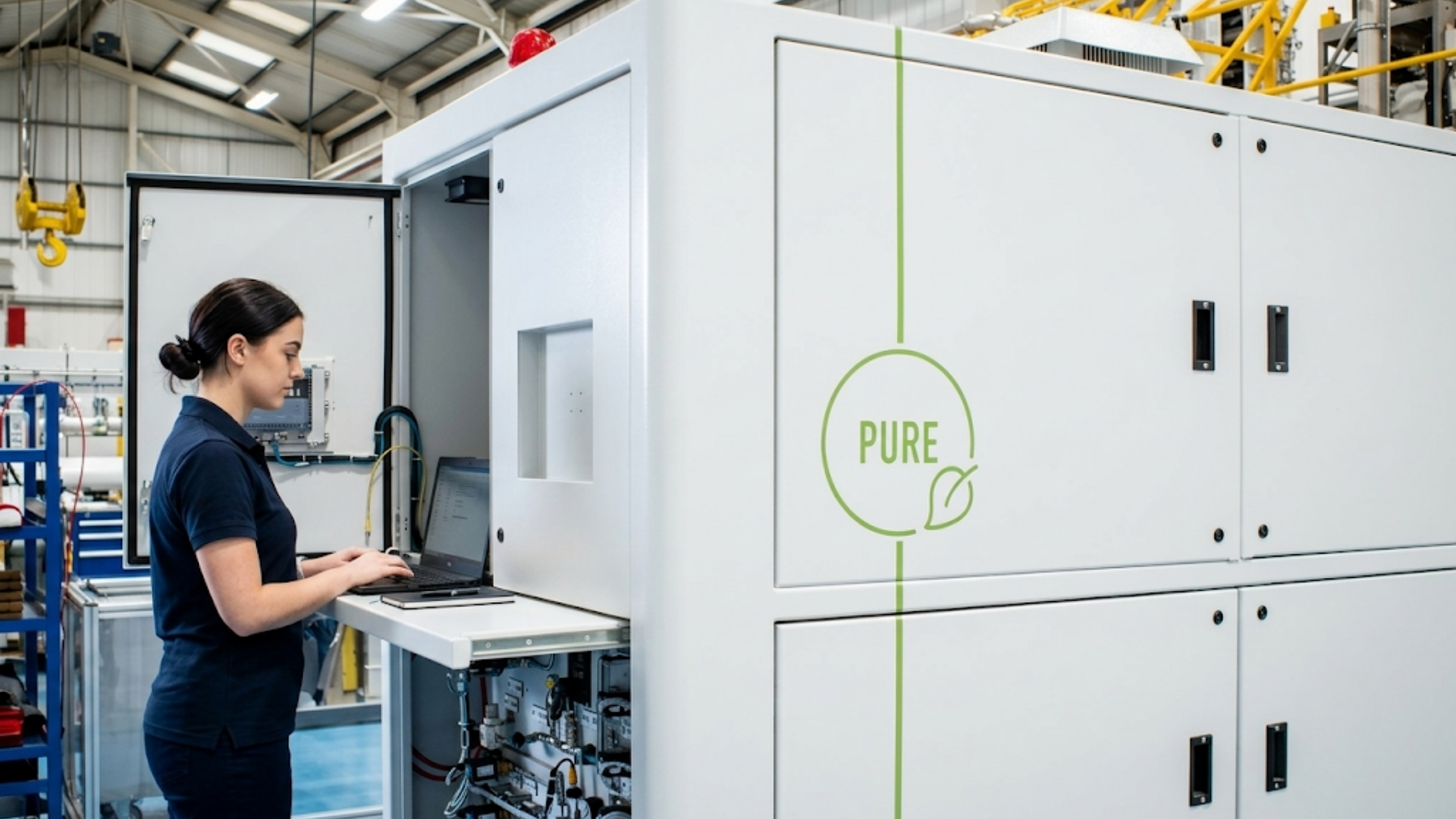
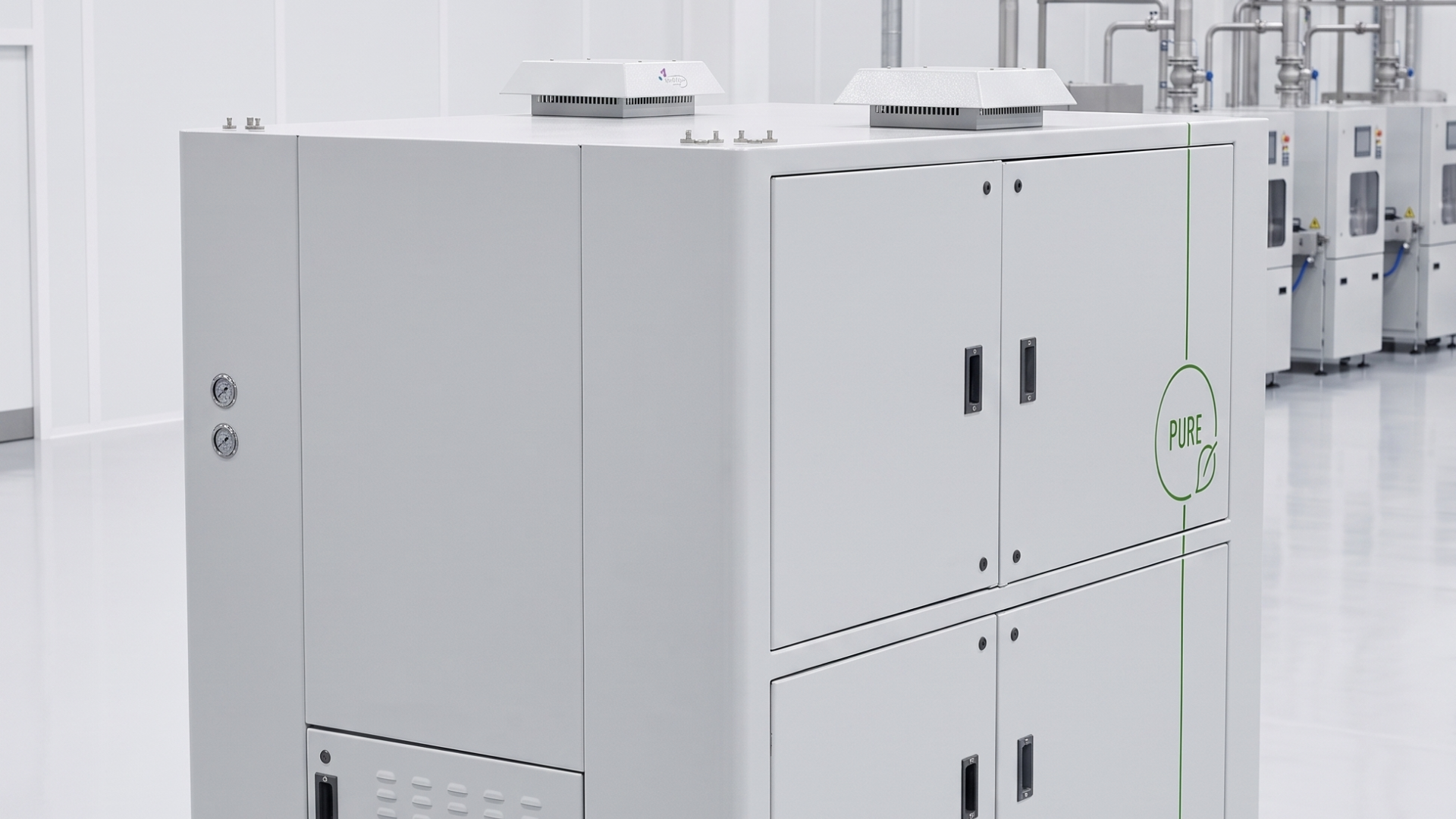
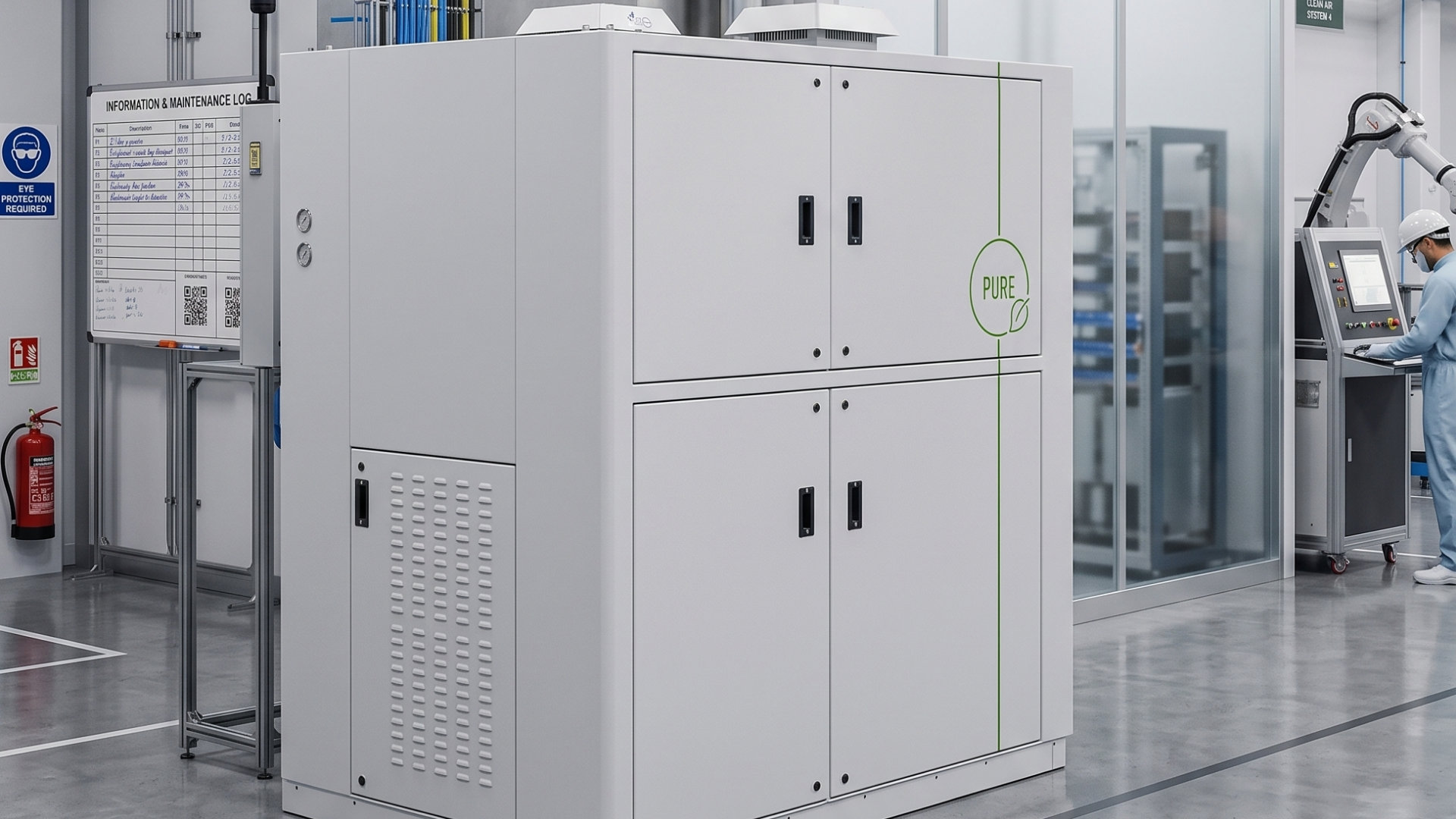
The good news is that this is a problem with a very clear solution. Helium recovery is not just for the giant aerospace firms or massive automotive plants anymore. At VES, we developed the PURE system specifically to help manufacturers stop this cycle of waste. By capturing that gas instead of venting it, you can reuse up to ninety eight percent of your helium. Instead of buying a new batch of gas for every single shift, you are simply topping up what you already have. It turns a massive recurring expense into a manageable and predictable operational cost.
Protecting your margins from market swings
One of the biggest advantages of switching to a recovery mindset is the stability it brings to your bottom line. When you recycle your gas, you are no longer panicking every time a supplier mentions a shortage. You become much more self-sufficient. This independence is a huge win for your finance team because it makes your long-term production costs much easier to forecast. You are essentially building a safety net around your profit margins that protects you from the volatility of the global gas market.
A payback period that makes sense
We often get asked if the investment in recovery equipment is worth it for mid-sized lines. When you actually sit down and look at the numbers, the answer is almost always a resounding yes. Because the cost of helium has risen so sharply, most of our customers find that the PURE system pays for itself in about eighteen months. After that point, the savings go straight back into your budget. You are moving from a model of constant spending to one of long-term saving, and that is a shift that every plant manager wants to see.
Stop the leak in your budget today
It is time to stop treating helium like a disposable resource and start treating it like the valuable asset it really is. You do not have to keep letting your hard-earned profits vanish into the air. By making the move to a recovery system, you are choosing a more sustainable, more profitable and more predictable future for your production line. At VES, we have spent decades helping companies make this exact transition. We can help you analyse your current usage and show you exactly how much cash you are currently wasting.
Let’s work together to plug the leak in your budget and keep your profits where they belong.