We have all stared at that procurement spreadsheet, watching the numbers climb month after month. Helium is an incredible resource and absolutely essential for ensuring the products we build are safely and securely sealed. But let’s be honest, relying entirely on purchasing fresh gas for every single test cycle is becoming a massive financial liability. Prices are volatile, global shortages hit without warning, and the cost of doing business just keeps going up. It leaves production lines incredibly vulnerable to market forces completely outside of their control. Here at VES, we talk to frustrated plant managers every day who feel trapped in this cycle, and we believe it is time to rethink how we manage this critical resource to secure the future of manufacturing.
The End of the Purchase and Vent Era
Historically, the standard approach to leak testing was remarkably straightforward, but also incredibly wasteful. You bought the gas, ran it through your testing cycle, and then simply vented it straight into the atmosphere. When helium was abundant and relatively cheap, this purchase and vent model was easily tolerated. Today, it is a staggering drain on profit margins. Helium is a non-renewable resource, and every cubic metre that escapes your facility is money floating away. Continuing to rely on this outdated method leaves your business completely exposed to volatile price surges and supply chain disruptions that could easily halt your production lines.
Insulating Your Supply Chain
When you depend on a constant stream of external deliveries, you are at the mercy of the global market. What happens when the supply gets tight? In some high-volume industries, it means delays, forced downtime, or severe production bottlenecks. By shifting your strategy towards gas recovery, you can effectively insulate your operations from these unpredictable shocks. Instead of crossing your fingers and hoping the next delivery arrives on time and on budget, capturing and reusing your gas allows you to create a stable internal supply. This kind of security is absolutely invaluable when your throughput and delivery commitments are on the line.
The Financial Case for Closing the Loop
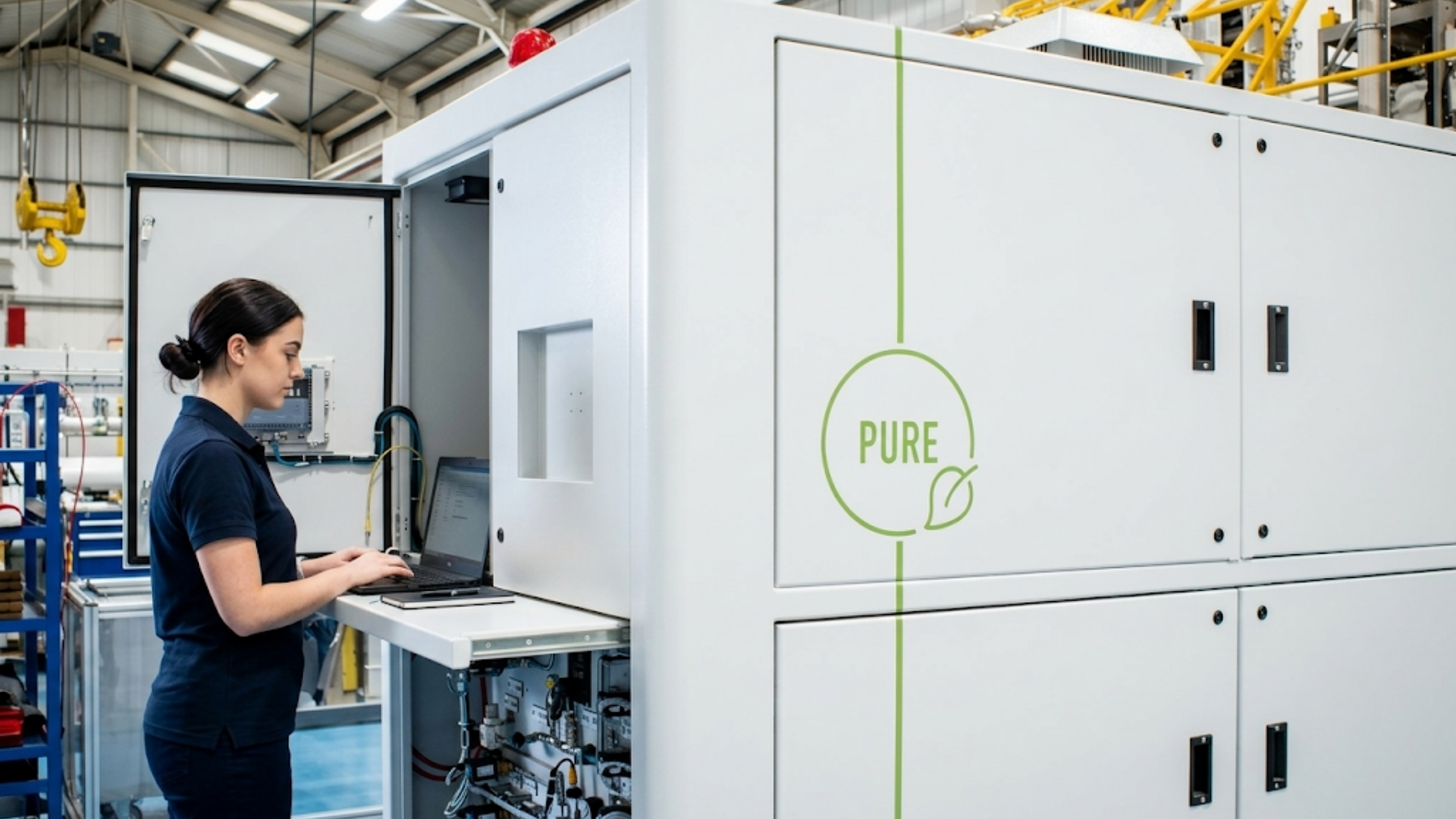
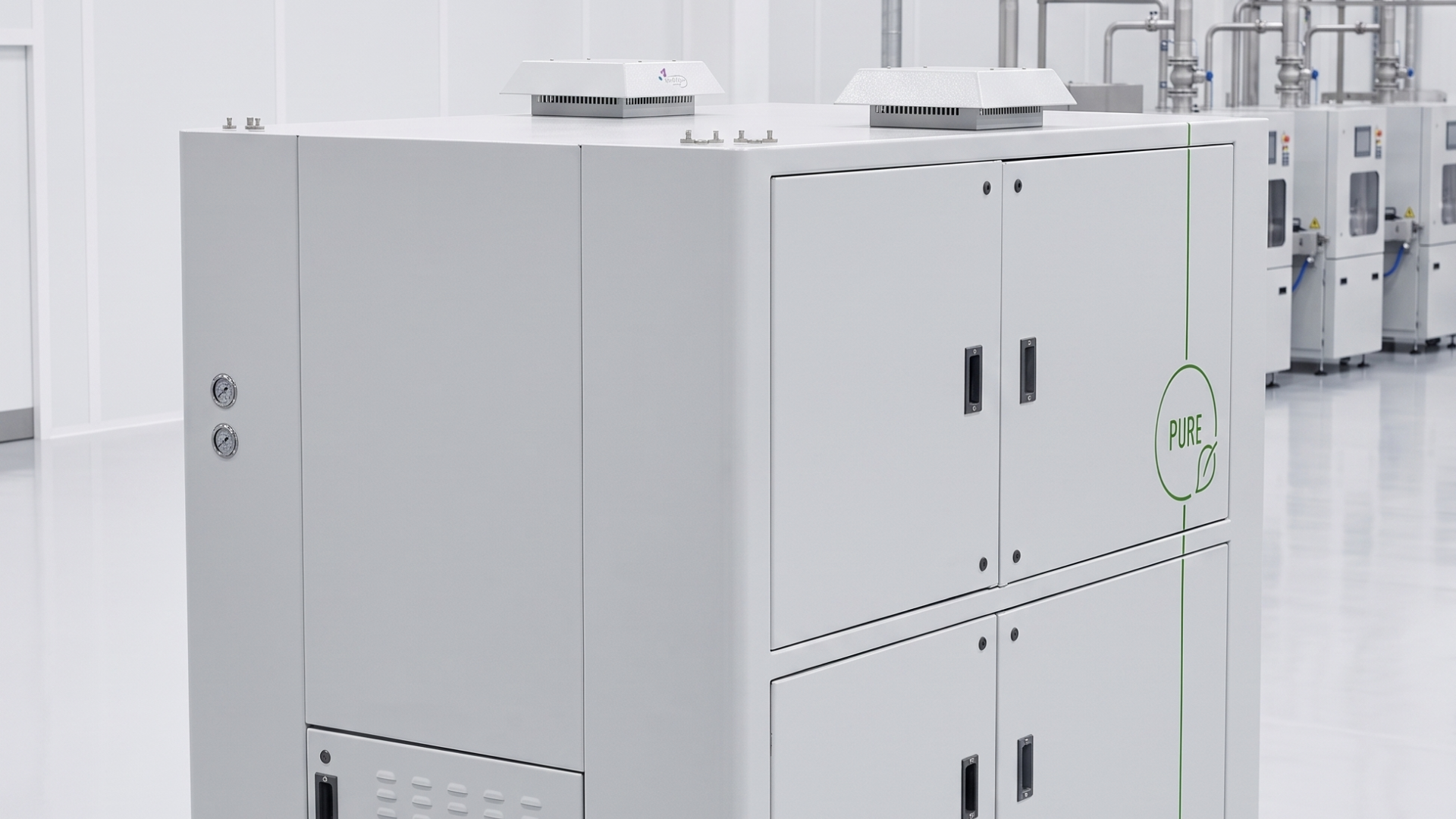
Some manufacturers hesitate to change their processes because they worry about the initial investment required for recovery technology. However, the long-term financial reality is hard to ignore. A modern recovery and purification system like PURE can capture the exhausted gas after a test cycle, even if it has become diluted with air down to concentrations as low as 70%, and purify it back up to 99%. By recycling what you already have, you can reduce your fresh gas purchases by anywhere from 50% to 90%. Because of these massive reductions in operational expenses, the technology typically pays for itself in just one to two years. After that point, those savings go straight to your bottom line.
Upgrading Without the Headache
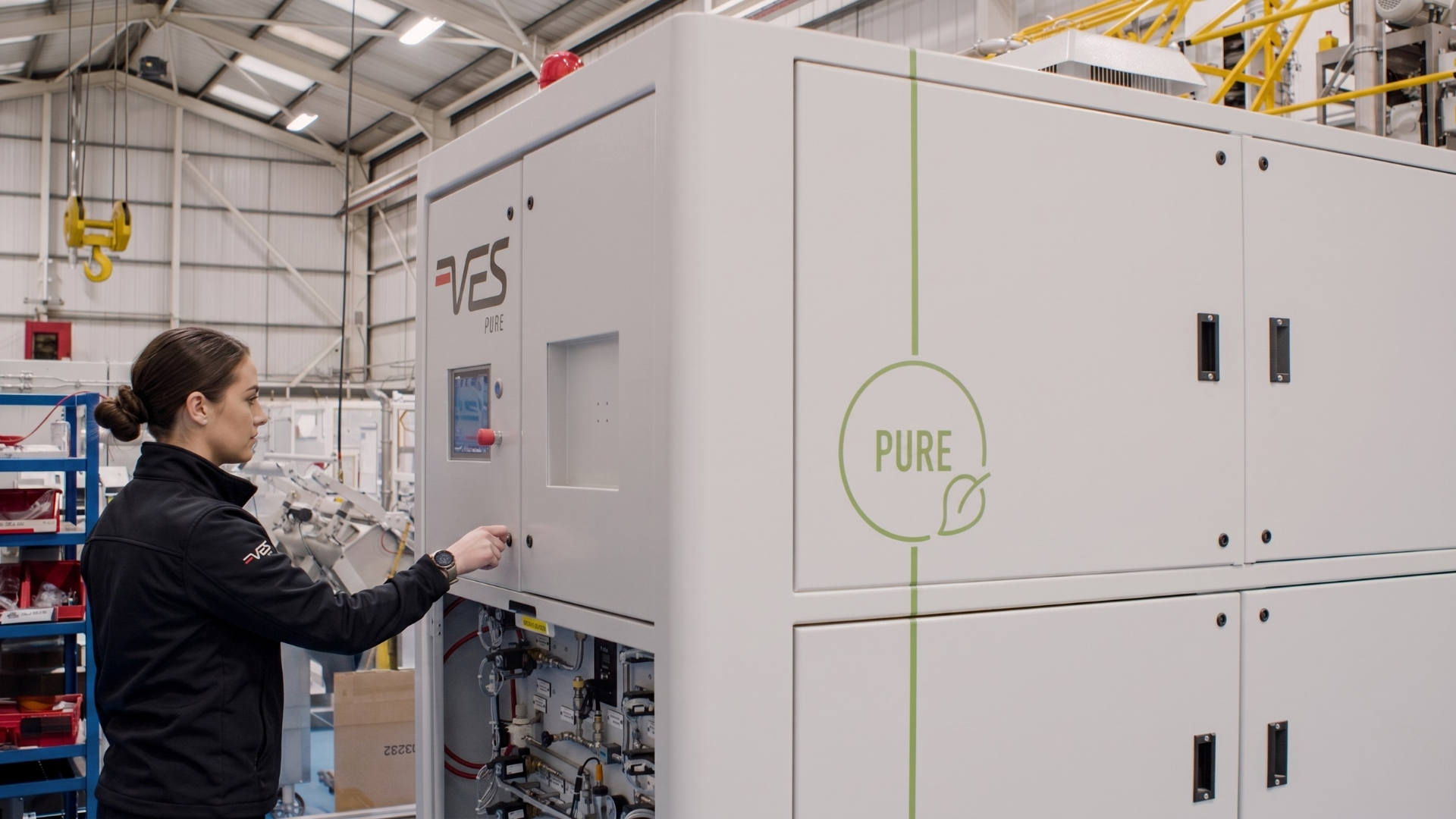
Another common fear is that moving away from the traditional purchasing model means suffering through weeks of disruptive installation downtime or completely re-engineering your carefully calibrated test cycles. Fortunately, that is no longer the case. The latest PURE recovery units are designed for streamlined, plug-and-play integration. They often only require a simple gas connection and a communications link. Because they do not require changes to your machine’s pre-evacuation levels, you can start recycling without drastically altering your cycle times, throughput, or test parameters.
A More Sustainable Future
Beyond the clear financial and operational benefits, moving away from constant purchasing is simply the responsible choice. Every year, millions of cubic feet of this finite resource are wasted and vented into the atmosphere. By capturing and reusing it, you are actively reducing waste and lowering the environmental footprint of your operations, which aligns perfectly with the growing expectations of eco-conscious consumers and stakeholders.
Making the Smart Choice
If you are only thinking about the short-term, continuing to order tanks of gas as you need them might seem like the easiest path. But when you look at the long-term financial and operational realities, closing the loop with a dedicated recovery system is the only sustainable strategy. Lower costs, greater supply stability, and a rapid return on investment make it an absolute game-changer for any high-volume manufacturer. If you are ready to stop venting your profits and want to future-proof your testing operations, the team at VES is here to help you implement a smarter, more resilient solution.