The cost of a helium recovery system depends on helium usage, production volume, test method, recovery rate, purity requirements, system integration and the level of automation needed. For manufacturers, the business case should be based on helium spend, recoverable gas volume, operating conditions and expected payback rather than equipment price alone.
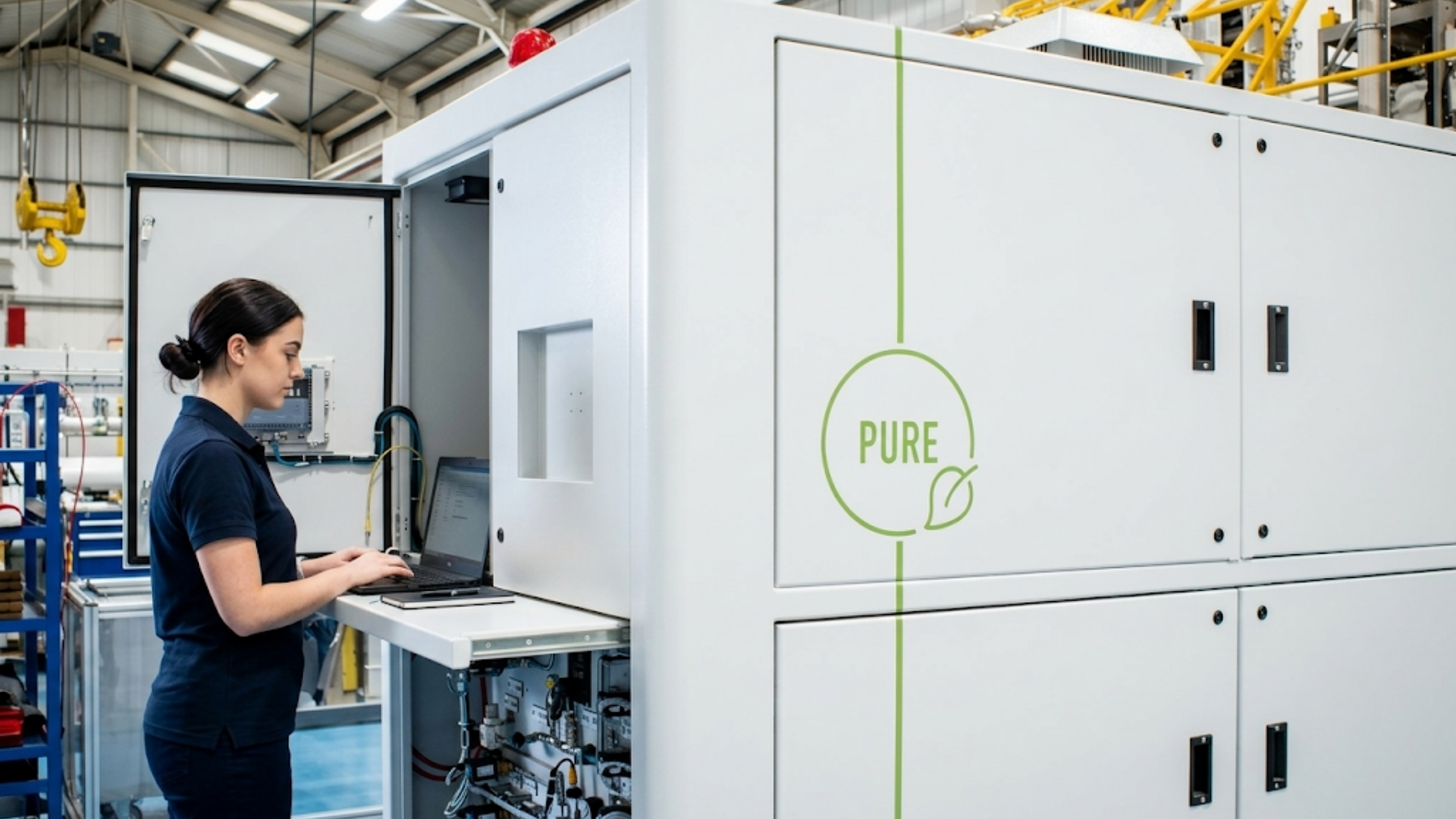
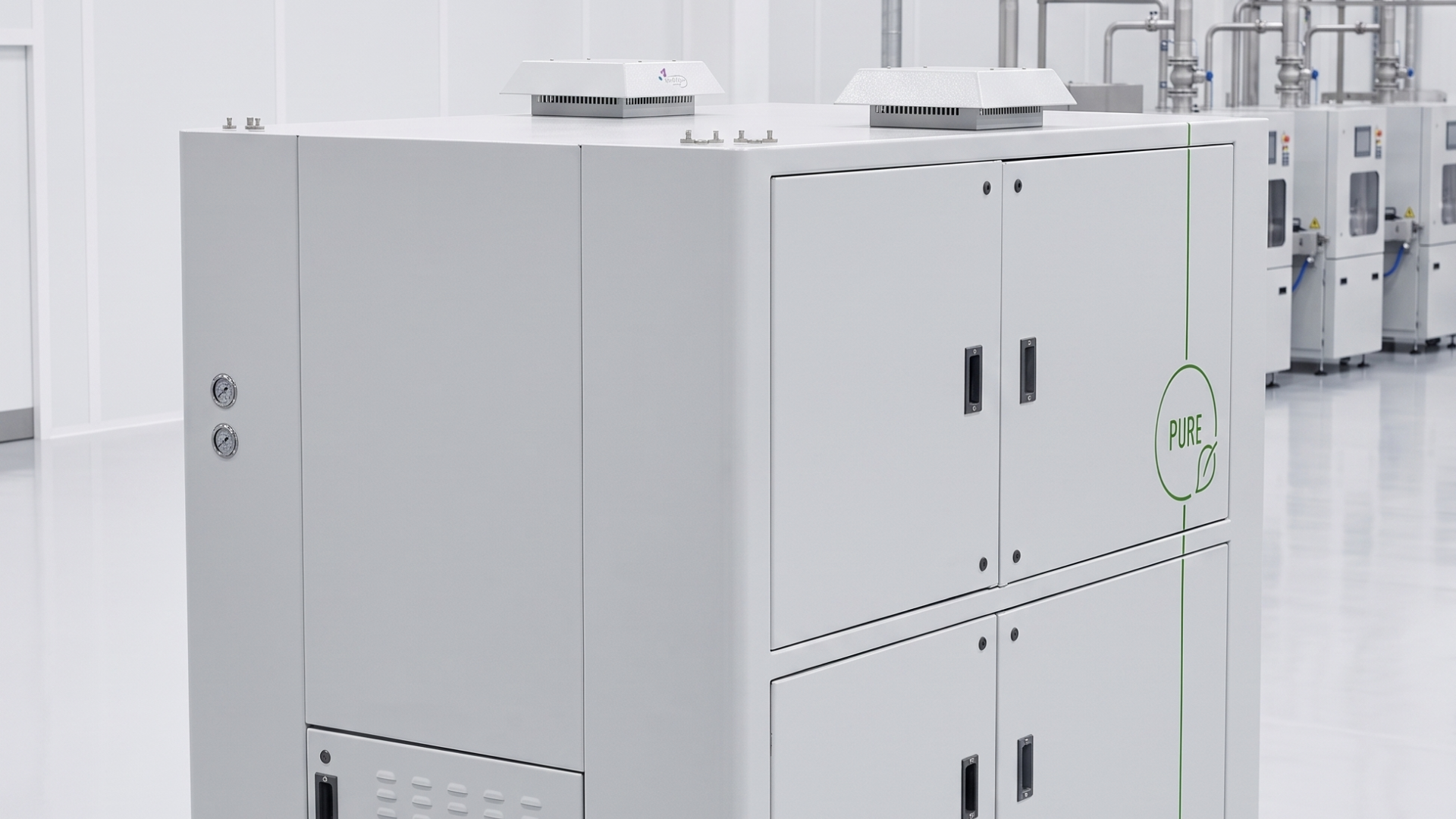
VES PURE helium recovery systems are designed to help manufacturers recover, repurify and reuse helium from suitable production leak testing processes. The aim is to reduce helium waste, control running costs and protect test integrity.
For the main PURE helium recovery page, see PURE helium recovery systems.
Why Helium Recovery System Cost Varies
Helium recovery is not a single fixed-price product for every production line. The system must be considered alongside the leak test process, helium concentration, pressure, cycle time, gas usage and production environment.
Two manufacturers may both use helium leak testing, but their recovery requirements can be very different. One may test small parts at high volume. Another may test larger components with a different gas mix, pressure requirement and recovery opportunity.
This is why VES recommends a technical review before estimating the likely return.
What Affects the Cost of a Helium Recovery System?
The main cost factors include:
- Current helium usage.
- Number of leak test machines.
- Test pressure and gas concentration.
- Recoverable helium volume.
- Purity requirement for reuse.
- Production volume and shift pattern.
- Integration with existing equipment.
- Storage and buffer requirements.
- Control system and HMI requirements.
- Installation and commissioning needs.
In many cases, the more important question is not simply "what does the system cost?" but "how much helium can be recovered and how quickly can the system pay back?"
Key ROI Factors for Manufacturers
Helium recovery ROI is usually driven by the relationship between helium consumption, helium cost and recoverable gas volume.
Manufacturers should consider:
- How much helium is currently used.
- How much of that helium is exhausted after testing.
- Whether the gas can be captured at a useful pressure and concentration.
- How much purification is required before reuse.
- How often the process runs.
- How helium price changes would affect operating cost.
- Whether recovery supports production continuity as well as cost reduction.
PURE has been developed for real production leak testing environments where recovered helium may be diluted with air or nitrogen and must be repurified before reuse.
Helium Usage, Recovery Rate and Purity Requirements
Recovery alone is not always enough. In production environments, recovered helium can become diluted. If helium concentration falls too far, test reliability can be compromised.
This is where recovery and repurification work together. PURE captures helium used during leak testing, removes air and nitrogen contamination, and returns purified helium to the process at the required pressure and concentration.
The value of the system depends on how much usable helium can be returned to the process without compromising the leak test.
Production Volume, Test Method and System Integration
Helium recovery is usually most attractive where helium leak testing is regular or high volume. The more helium a process uses, the stronger the potential business case may be.
The test method also matters. A recovery system must be compatible with the process, pressure and gas handling requirements. VES PURE is designed to support suitable helium leak test machines using helium at less than 3 bar.
Integration may involve a single machine or multiple machines, depending on the production setup.
For more on the leak testing process itself, see helium leak testing systems.
Payback Period: What Manufacturers Should Model
The payback period depends on the cost of the system and the savings it can create. Manufacturers should model:
- Current helium cost.
- Helium used per test or per shift.
- Production volume.
- Recovery percentage.
- Purity and top-up requirements.
- Maintenance and operating costs.
- Expected equipment life.
- The risk of future helium price increases.
Existing PURE examples on the VES site show payback periods of 1.6 and 2.0 years in specific production scenarios. These figures should be treated as examples, not universal guarantees. The best estimate comes from reviewing the manufacturer’s own process.
When Helium Recovery May Not Be the Right Fit
Helium recovery may not be suitable for every leak testing process. It may be less attractive where helium use is very low, the process does not allow useful gas capture, the pressure conditions are unsuitable, or the cost of integration outweighs the recoverable value.
VES can help assess this before a manufacturer commits to a system. A clear suitability review protects both the technical result and the commercial case.
How VES PURE Supports Helium Recovery and Repurification
PURE has been developed to help manufacturers reduce helium waste while maintaining confidence in the test result. It can recover helium from suitable leak testing processes, repurify gas that has been diluted with air or nitrogen, and return helium to the machine for reuse.
For manufacturers using helium leak testing in HVAC production, PURE may also support long-term cost control. See HVAC leak testing systems for HVAC leak testing context.
Speak to VES About Helium Recovery ROI
Ask VES to review your helium usage, production volume, gas mix, purity requirements and current leak testing process to estimate whether PURE helium recovery could deliver a practical ROI.