Imagine walking into your facility on a Monday morning only to discover that a third of your most critical testing resource has simply vanished from the market. For many manufacturers, the March 2026 shutdown of Qatar’s Ras Laffan facility, which removed 33% of the global helium supply overnight, feels exactly like that nightmare scenario. When you rely on helium leak testing to guarantee the safety of everything from fuel systems to medical devices, a supply shock of this magnitude can threaten to halt your entire operation. However, a crisis often forces necessary innovation. At VES, we have spent decades helping companies navigate the complexities of leak detection, and we know that surviving this shortage requires a fundamental shift in how you view your testing resources.
Stop Treating Helium Like a Discardable Consumable
For years, the industry standard was a straightforward, albeit wasteful, “purchase-and-vent” model. You bought helium, ran your test, and vented the used gas straight into the atmosphere. When helium was cheap and plentiful, this approach was tolerated. Today, it is a staggering financial liability. Helium is a finite, non-renewable resource, and once it is vented, it is gone forever. Every cubic metre that escapes your facility is money floating away. Surviving a massive supply drop means you must immediately transition from treating helium as a cheap consumable to protecting it as a highly valuable asset.
The Power of Closing the Loop
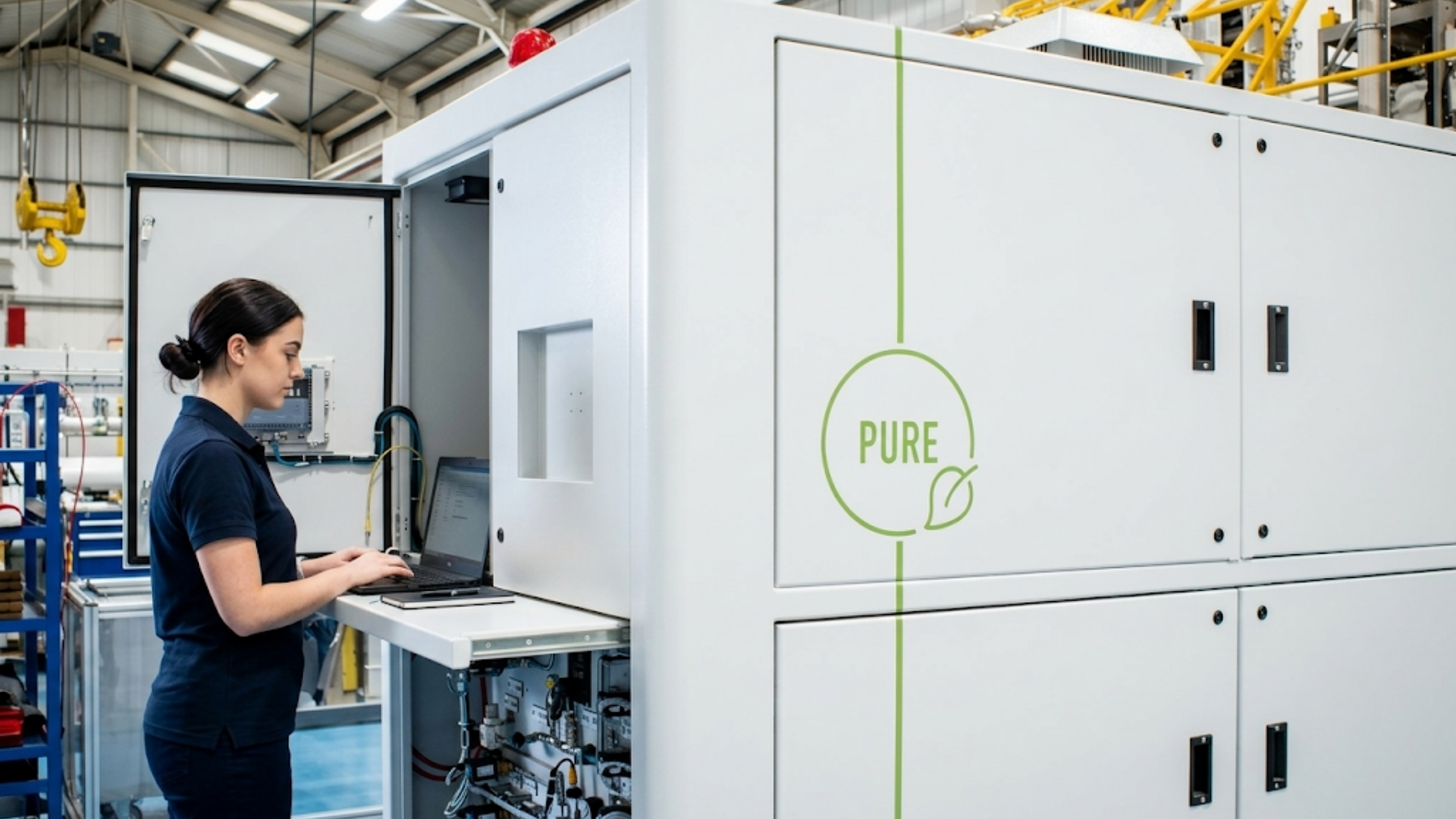
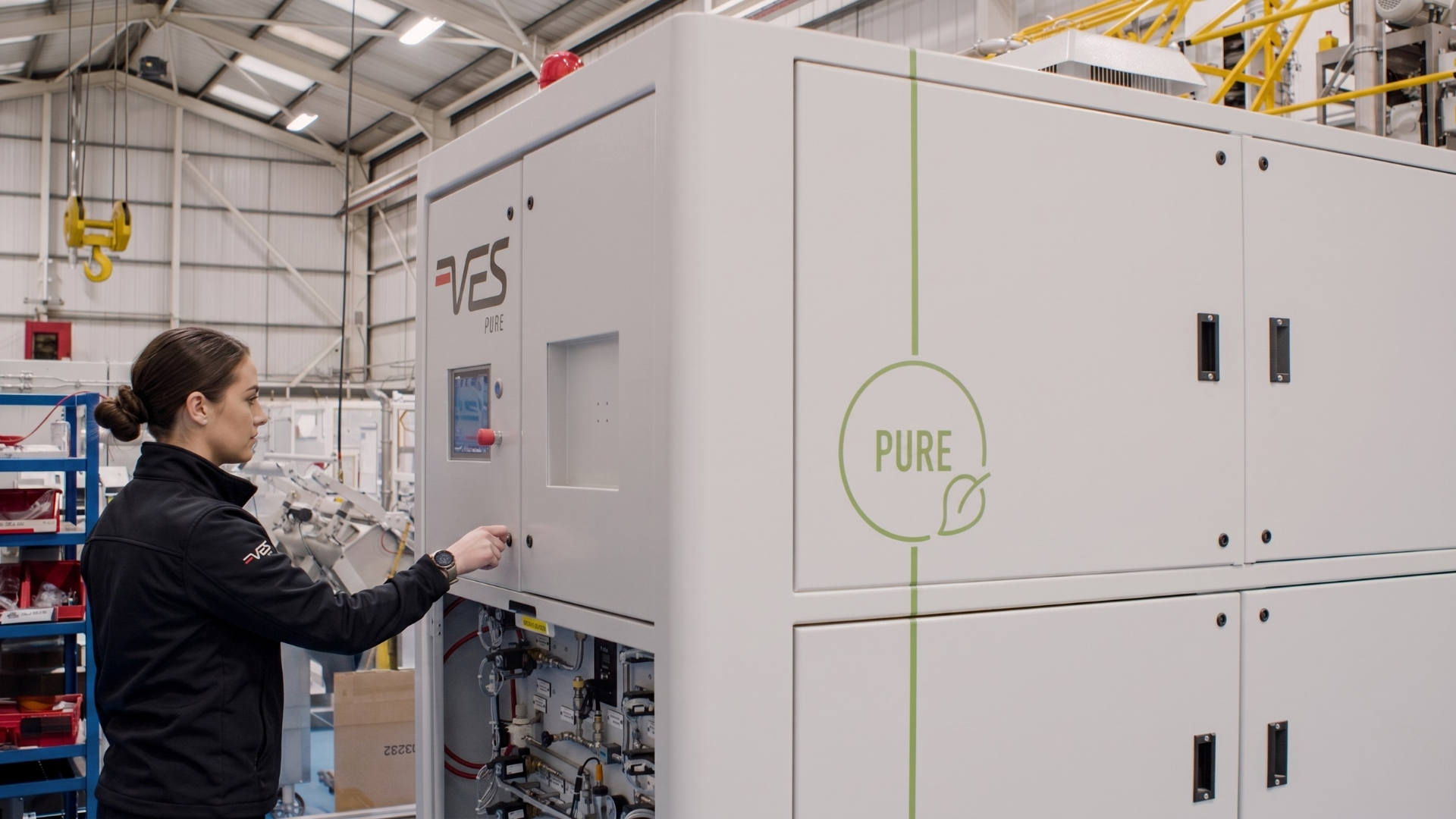
The most effective strategy to insulate your production line from unpredictable market prices and supply chain risks is to capture and reuse the gas you already possess. Modern helium recovery systems can capture the exhausted gas after a test cycle, purifying it and feeding it directly back into your leak testing machine. By recycling your gas in a closed-loop setup, you can reduce your fresh helium purchases by anywhere from 50% to 90%. Not only does this drastically slash operational costs, but it also creates a stable, internal supply that remains unaffected by global shortages.
Upgrading Without the Headaches
A common fear among manufacturers is that installing a recovery system will require weeks of disruptive downtime or force them to completely re-engineer their carefully calibrated test cycles. Fortunately, that is no longer the case. The latest recovery technology is designed for streamlined, plug-and-play integration. These mobile units typically only require a gas connection and a communications link. Because they do not require changes to your machine’s pre-evacuation levels, you can start recycling helium without drastically altering your cycle times or test parameters.
Doing More With Less
If full recovery isn’t feasible right away, you can still stretch your helium reserves by rethinking your test concentrations. Saving helium does not have to mean sacrificing the sensitivity of your tests. Advanced systems can accept helium mixed with air or nitrogen at concentrations as low as 70%, and still purify it back to the required purity for testing. Additionally, you might explore using a helium-nitrogen mix; for many applications, a blend of just 5% helium in nitrogen provides all the sensitivity needed to detect acceptable leak rates, dramatically cutting your pure helium consumption.
Exploring Viable Alternatives
When a primary resource becomes this scarce, it is also the perfect time to evaluate whether you actually need it for every single component. While helium remains the gold standard for high-precision detection, alternative methods might suffice for less critical parts. For instance, forming gas, a mixture of 95% nitrogen and 5% hydrogen, is a highly cost-effective and readily available substitute that remains safe and non-flammable. Alternatively, pressure decay or vacuum decay testing might be perfectly adequate for components with larger allowable leak thresholds.
Future-Proofing Your Production
A sudden 33% drop in global supply is undoubtedly a massive hurdle, but it is also an opportunity to build a leaner, more resilient manufacturing process. By eliminating wasteful venting, embracing recovery technology, and smartly managing your test concentrations, you can future-proof your production lines against ongoing market volatility. Here at VES, we are passionate about helping manufacturers turn these operational challenges into long-term savings, ensuring that your leak testing remains efficient, reliable, and firmly under your control.