Let’s be honest, no piece of industrial machinery runs forever without a hiccup. But there’s a massive difference between “scheduled maintenance” and “the rig is acting up again.”
If you’re spending your Tuesday afternoons shoulder-deep in a vacuum chamber or chasing ghost leaks that disappear the moment you call for backup, you aren’t just “maintaining” equipment. You’re babysitting it. And at Vacuum Engineering Services, we’ve learned after 30 years and 1,600+ builds that a “fussy” machine is usually a symptom of a much deeper problem.
The Rig Headache
We see this a lot in the HVAC and automotive sectors. You have a system that was custom-built years ago. It worked great at first, but now? It’s a “Frankenstein” rig. It’s held together by legacy parts that nobody makes anymore and code that only one guy (who retired in 2018) understands.
The problem with these older, overly bespoke systems is that they weren’t designed for the “right now.” They weren’t built for the high-throughput demands of modern heat pump lines or the hair-trigger safety requirements of CO2 (R744) testing. When they break, they don’t just stop a machine; they stop your shipment schedule.
Why Reliability Usually Dies
In our experience, rigs start failing for three main reasons:
- Complexity for complexity’s sake: Too many custom sensors and “one-off” components that are hard to source.
- Poor Serviceability: If you have to take half the machine apart just to check a seal, you’re going to have more downtime.
- Outpaced Tech: Your production has ramped up, but your rig is still gasping along on tech designed for half that volume.
How We’re Fixing the “Break-Fix” Cycle
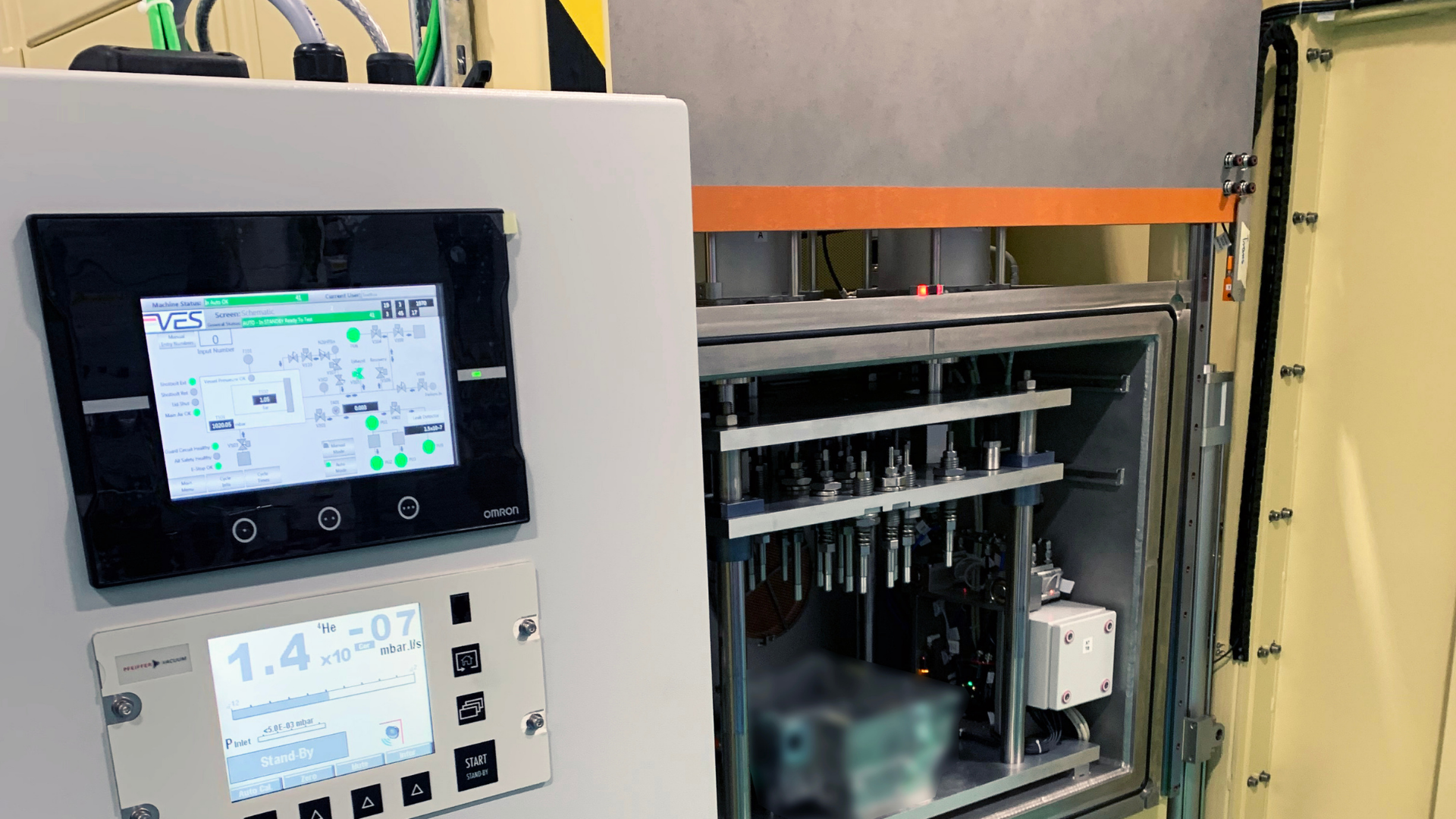
When we designed the VES SLEEK, we didn’t just want to build a “cheaper” machine; we wanted to build a more logical one. We realised that the best way to ensure uptime is to stop making things so complicated.
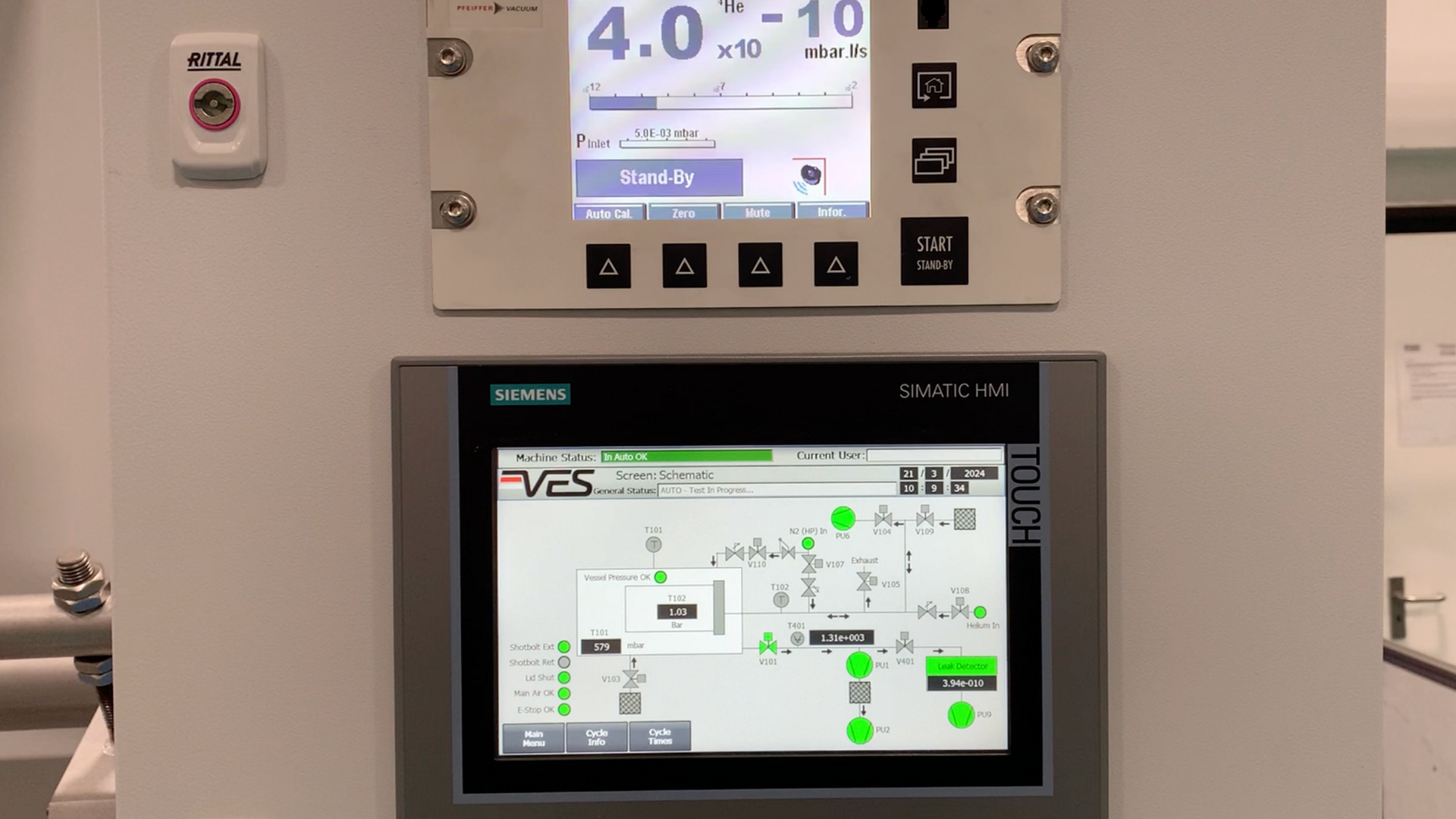
- Local Serviceability: We use standard, “gold star” components like Leybold pumps and Pfeiffer spectrometers. Why? Because you can actually get parts for them. You aren’t waiting for a bespoke valve to be machined in a workshop halfway across the world.
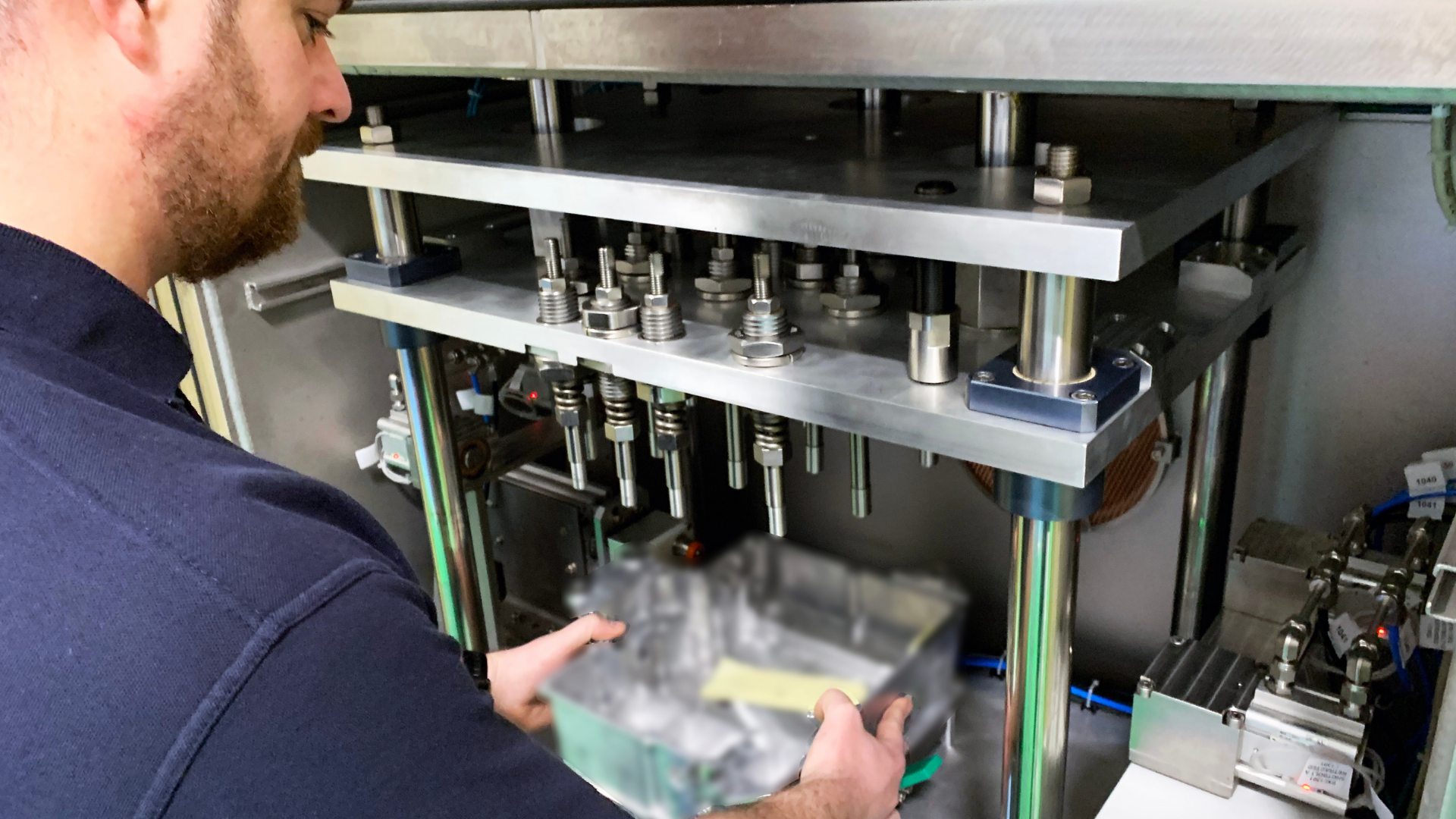
- A “Clean” Build: By simplifying the frame and the electrical cabinets, we’ve made the SLEEK easy to get into. If something does go wrong, your team can actually see what they’re doing. No more “surgery by flashlight” in a cramped cabinet.
- Modular Scaling: If your rig is breaking because it’s being overworked, the solution isn’t a bigger custom rig; it’s a modular one. You can start with one chamber and add a second as your targets grow. You’re never red-lining your equipment just to hit a quota.
The Hidden Cost of “Just One More Patch”
It’s easy to look at a repair bill and think, “Well, it’s cheaper than a new machine.” But have you factored in the cost of the “false failures”? Or the hours your best engineers spend fixing the rig instead of optimising the line?
In sectors like automotive A/C and residential HVAC, a single day of downtime can wipe out the “savings” of keeping an old rig alive. Plus, with the price of helium what it is today, an old, leaky rig is literally venting your profits into the atmosphere.
It’s Time for a Consistent “Gold Star” Test
At VES, we believe leak testing should be the most boring part of your day. It should just work.
If you’re tired of being the “Rig Whisperer” and want a system that provides repeatable, traceable results without the weekly drama, let’s talk.
We can look at your current downtime stats and show you how a value-engineered, standardised approach can get you off the “break-fix” treadmill for good.
You’ve got enough to worry about. Your leak test rig shouldn’t be one of them.