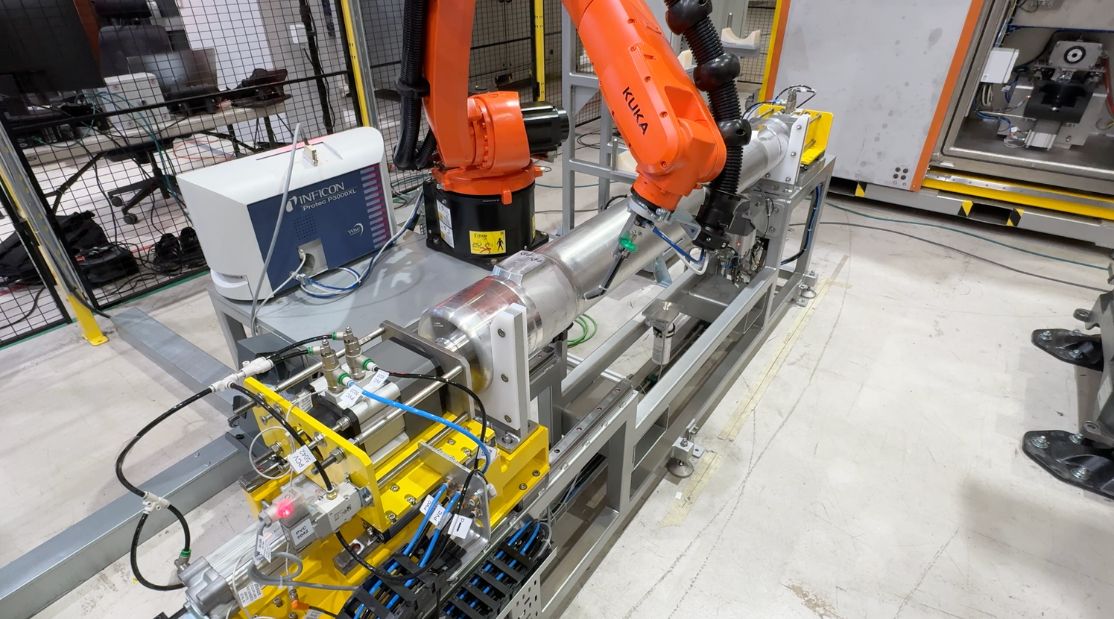
If you work in manufacturing, you know that an automated production line relies on absolute precision and timing. Every robot, conveyor, and assembly station is interlinked in a continuous, high-speed flow where efficiency is everything. If one section drags or falls out of sync, the entire operation suffers, creating a domino effect that impacts your throughput and profitability.
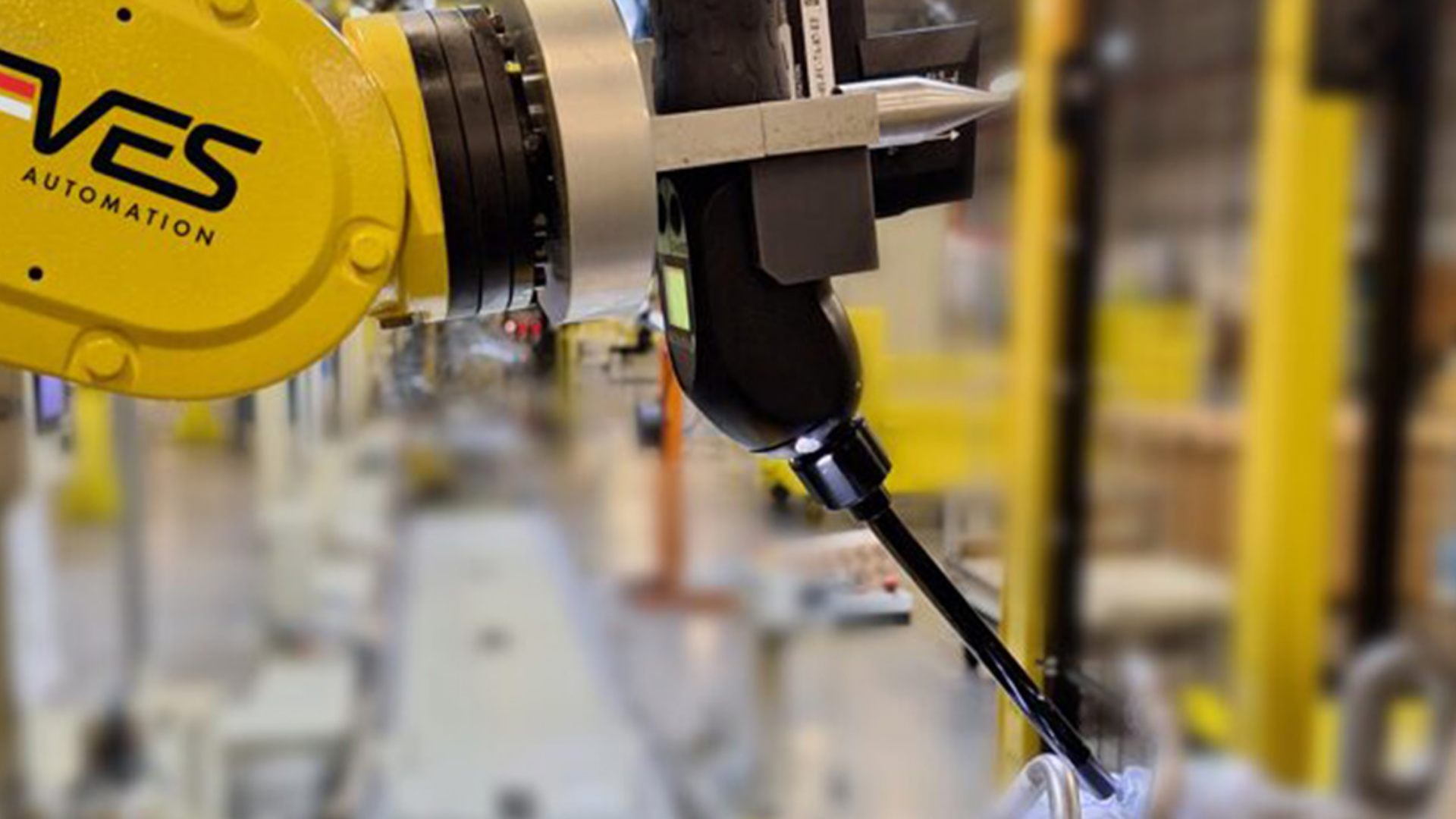
For years, helium leak testing has been a notorious bottleneck in this process. It is often seen as a slow, bulky, and complex necessity that disrupts the smooth flow of assembly lines. Automation engineers frequently struggle to wedge massive vacuum chambers into tight layouts or sync complex gas handling cycles with lightning-fast pick-and-place robots.
At VES, we believe leak testing should not be a stumbling block. It should be a seamless, integrated part of your automation strategy. Whether you are building HVAC components, automotive parts, or hydrogen vessels, making the machine fit the line is just as important as the test itself.
Here is how you can ensure your next leak test station fits perfectly into your automated ecosystem.
Shrink the Footprint Because Floor Space is Money
In modern factories, floor space is at a premium. You cannot afford to dedicate huge square footage to a single test station, especially when you are trying to optimise line density.
This is why we obsessed over size when developing our OptVol Technology. By redesigning how we handle vacuum and gas management, we achieved a 74% reduction in footprint compared to traditional hard vacuum systems.
For an automation engineer, this is a game changer. A smaller machine means shorter conveyor runs, easier integration into work cells, and more room for other critical processes. It also means the equipment is lighter. Our OptVol systems have seen an 85% reduction in weight. If you need to reconfigure your line layout next year, you can actually move the machine without hiring a heavy rigging crew.
Do Not Let Testing Be the Bottleneck
The biggest fear with inline testing is cycle time. If your assembly line produces a part every 20 seconds, but your leak test takes 30 seconds, you have a problem.
Traditionally, the solution was to buy multiple machines or create complex buffering systems. However, a smarter approach is to use a system designed for throughput scalability.
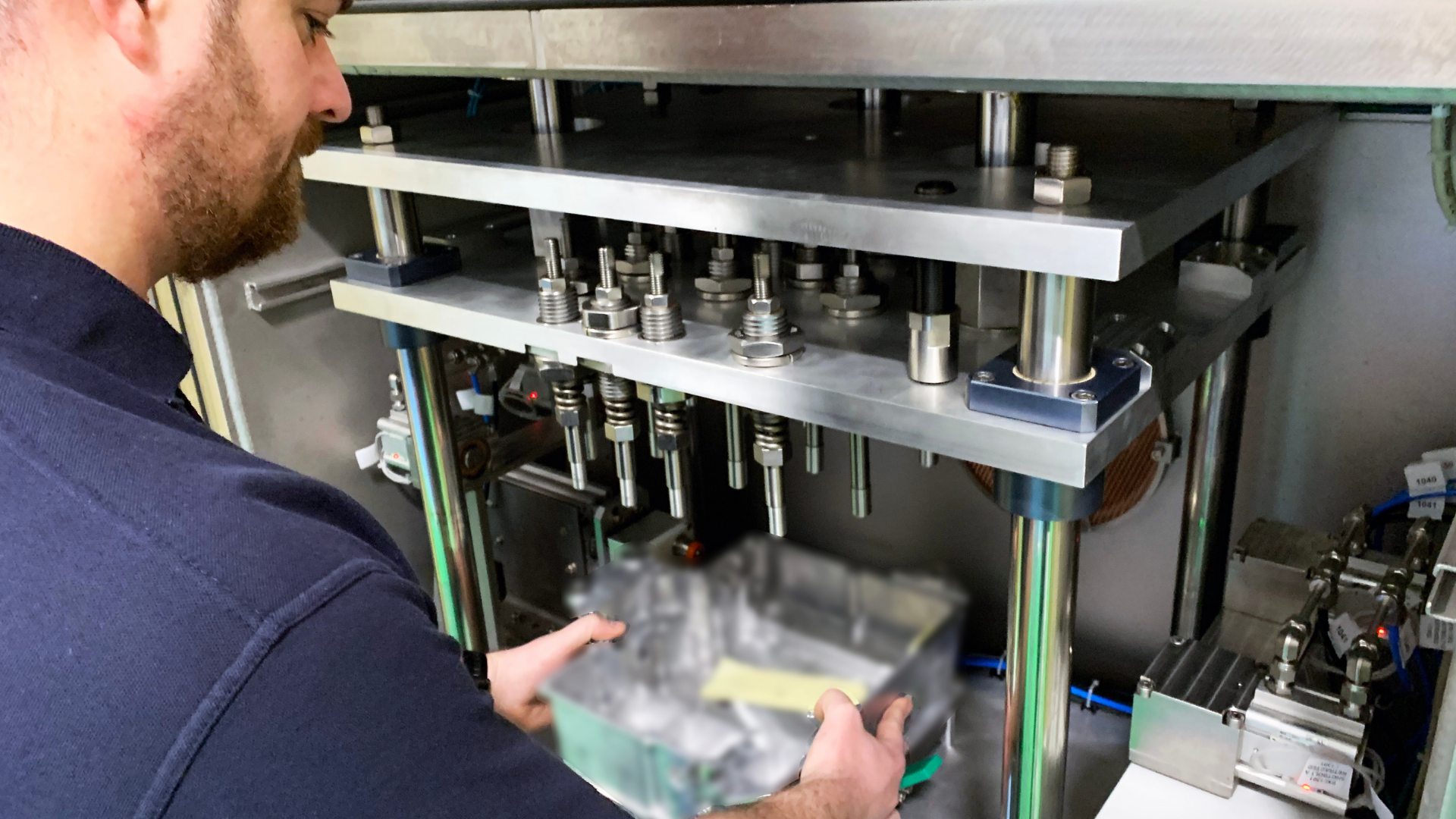
This is where the VES SLEEK system shines. Its modular design allows for a twin-chamber configuration. While one chamber is pumping down and testing, the other is venting and reloading. This parallel processing effectively masks the test time, allowing the machine to keep pace with aggressive line speeds.
Furthermore, our systems are designed with high-conductance vacuum architectures. This means we get the air out and the helium in faster, shaving valuable seconds off every cycle. You get the sensitivity of a hard vacuum test without the production penalty.
Smart Connectivity
Integration is not just about physical dimensions. It is about communication. In an Industry 4.0 environment, your leak tester cannot be an island. It needs to shake hands constantly with your PLC (Programmable Logic Controller) and your MES (Manufacturing Execution System).
We design our control architectures to be open and communicative. It is not just about sending a Pass or Fail signal to the robot arm. It is about data granularity.
- Which chamber tested the part?
- What was the exact leak rate?
- What was the background helium level at 2:00 PM?
By providing this data in real-time, VES systems help you spot trends before they become failures. If you see background levels creeping up, your maintenance team can intervene before you start rejecting good parts. This level of connectivity turns the leak tester from a simple gatekeeper into a valuable source of process intelligence.
Reliability is the Ultimate ROI
In an automated line, downtime is the enemy. If a manual station goes down, a human can maybe work around it. If an automated station goes down, the line stops.
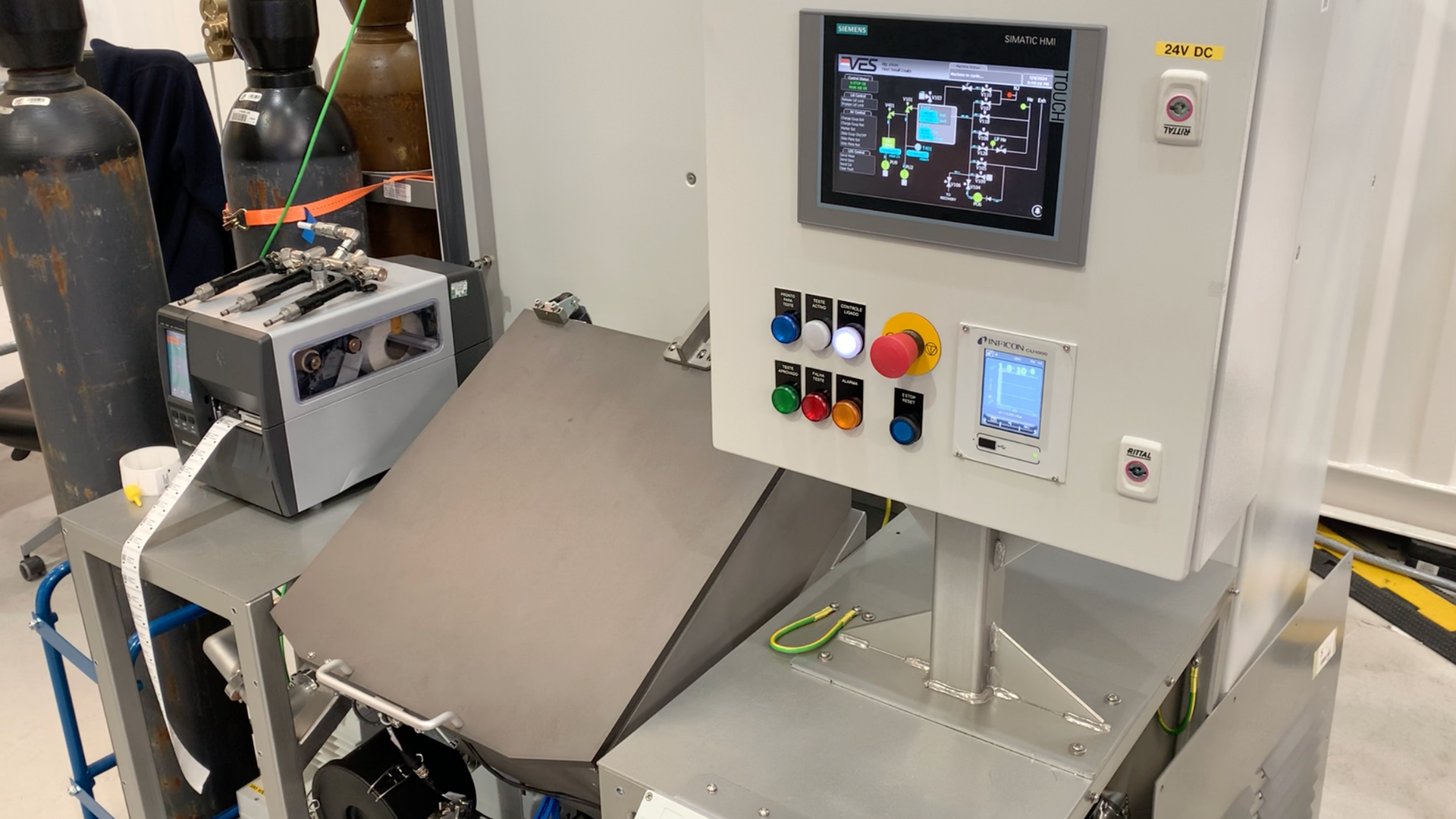
We build our machines with the reality of 24/7 production in mind. We use proven components and simplified pneumatics to minimize failure points. For example, the VES PURE helium recovery system does not just save money on gas. It reduces the logistical headache of constantly swapping gas cylinders, keeping your line running uninterrupted for longer.
A Perfect Fit
Leak testing shouldn’t force you to compromise on line speed or factory layout. By prioritising compact design, modular scalability, and intelligent connectivity, we help you turn leak detection into a competitive advantage rather than a production bottleneck.