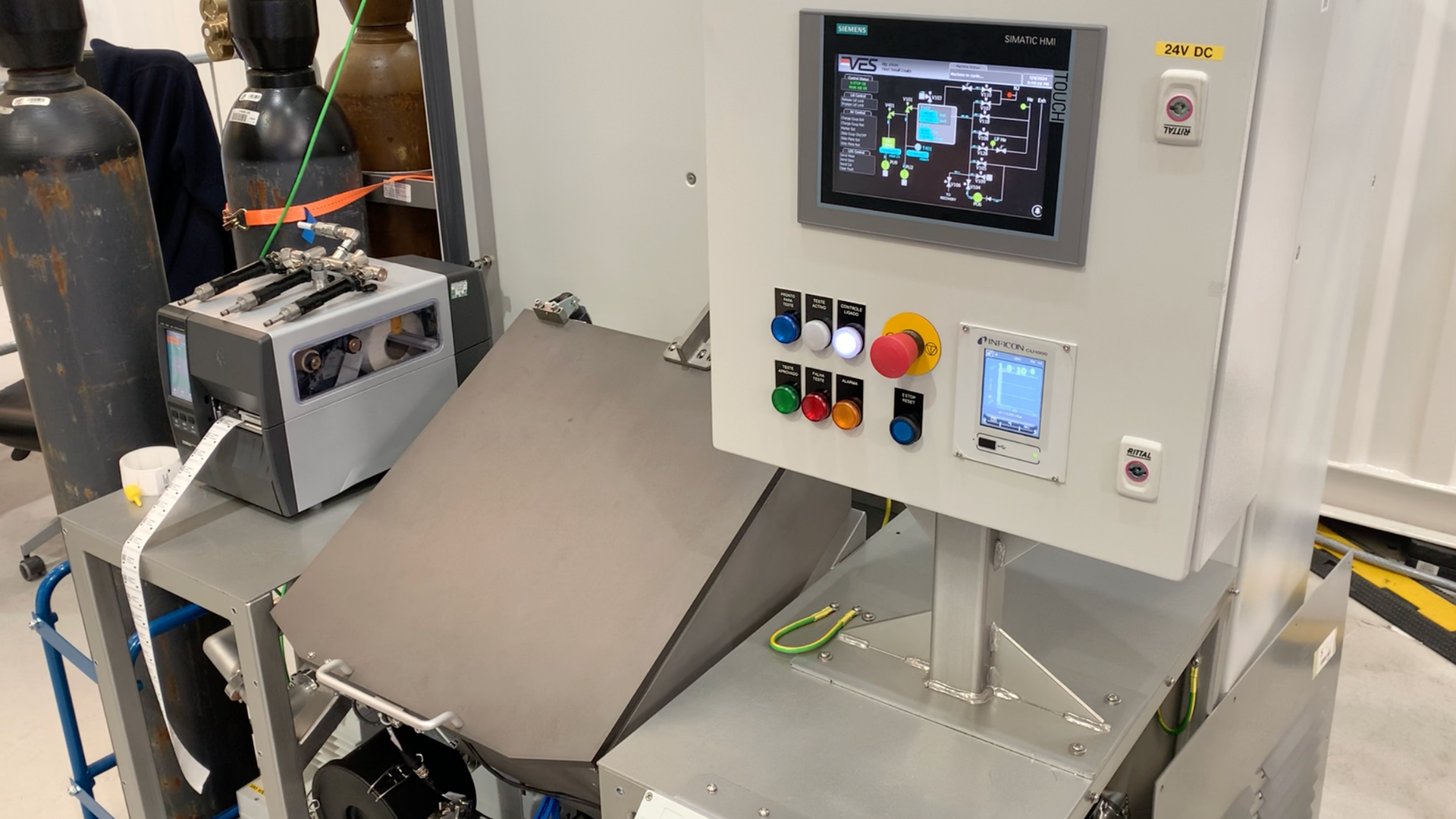
Picture this: you are walking the factory floor, production is humming along nicely, and suddenly the line backs up. The culprit? Another failed leak test on a part that looks perfectly fine. So, your operator takes the component, cleans it off, runs it again, and this time it passes without an issue. It is a massive headache. False failures do not just waste time; they erode your team’s trust in the entire quality control process and impact overall productivity and customer confidence. At VES, we have spent decades helping manufacturers across the globe eliminate these exact frustrations, ensuring that when a part fails, it actually deserves to.
When a good part is repeatedly flagged as a reject, it sets off a chain reaction of delays. You have to pull the component aside for inspection, re-test it, or send it to a costly rework station. Operators might even start second-guessing the system and developing workarounds just to keep the line moving. So, why is your machine telling you a perfectly good component is leaking? Let’s look at the usual suspects and how you can troubleshoot them.
Check Your Seals and Fixtures
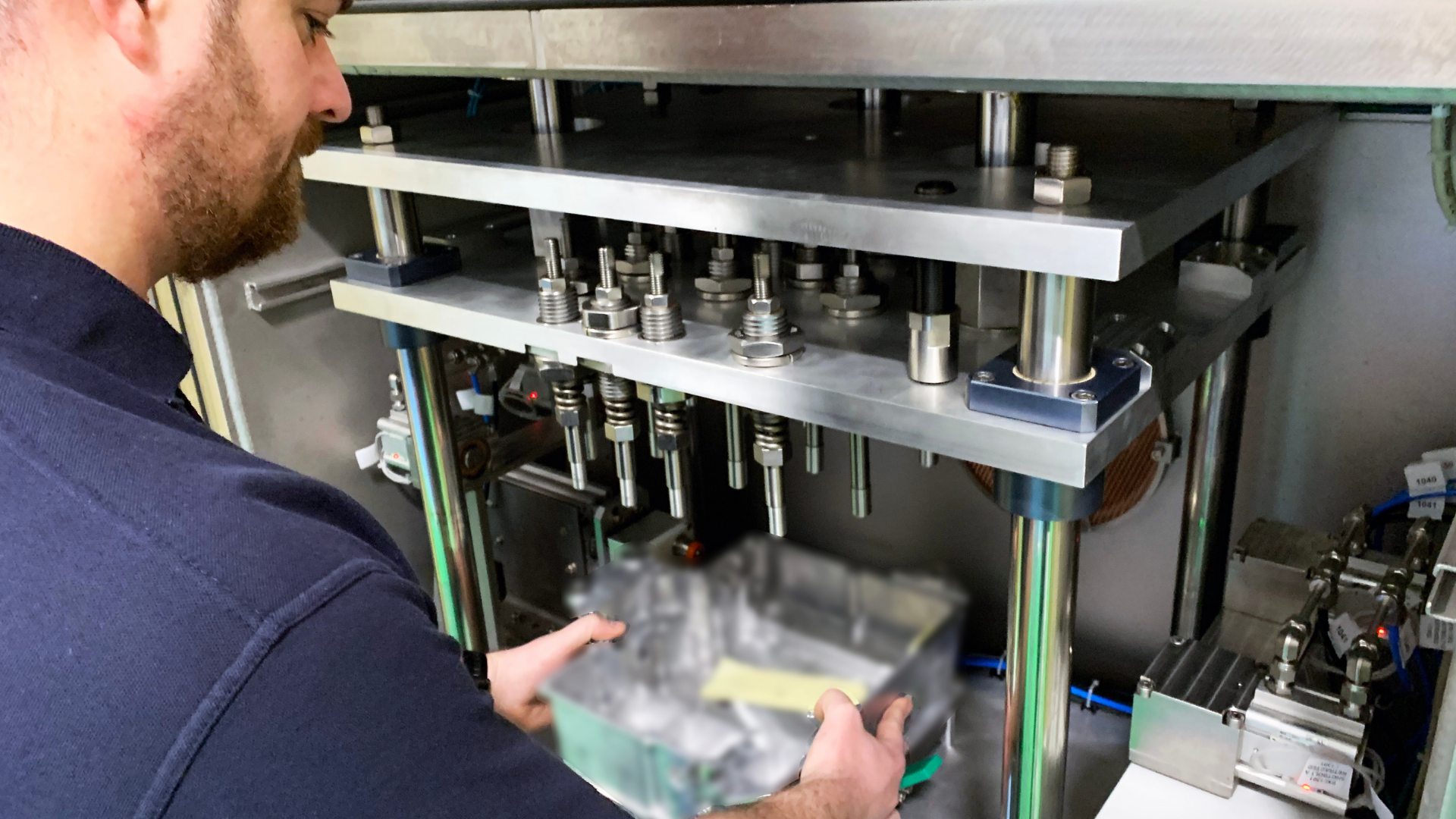
In our experience, one of the most common offenders has nothing to do with your product at all. It is the fixturing. A worn-out O-ring, a tiny bit of debris on the seal, or a clamp that is just slightly out of alignment can prevent a proper connection with the part you are testing. When this happens, the tracer gas escapes from the connection point, and the system registers a leak. You can fix this by keeping your seals fresh with regular replacements and double-checking mechanical alignments, especially if you swap out your tooling frequently.
Watch Out for Contaminants
Another huge issue is what is happening inside and around the part. If your components have tiny amounts of oil, dust, or lingering moisture hiding inside them from upstream processes, those contaminants can seriously interfere with sensitive leak tests, particularly those using helium or hydrogen. You can prevent this by ensuring parts are completely clean and dry before testing. An air purge or vacuum drying step can work wonders to clear out this hidden moisture.
Dial In Your Test Settings
Sometimes, the issue is simply an error in the test configuration. Using the wrong test pressure, an incorrect gas mixture, or not allowing enough time for the test cycle can make your results completely meaningless. This is especially critical in high-pressure applications like hydrogen tanks where accuracy is paramount for safety. Establish clear Standard Operating Procedures (SOPs) for your settings, use software to automatically log test data, and always use certified, calibrated leaks to verify your system’s accuracy.
Manage Environmental Interference
Sensitive tests, especially “sniff” or accumulation methods, can be easily thrown off by their surroundings. Temperature changes, nearby vibrations, or even just air currents in the room can create background interference. If possible, try to test in a controlled environment with stable temperatures and minimal airflow, or shield the immediate test area to block physical disturbances.
Stay on Top of Equipment Maintenance
Leak detectors, pumps, and valves do not last forever. As your equipment starts showing its age and degrades, you might see an increase in frustrating false failures or wildly inconsistent results. Proactive care is the best defence here. Stick to a regular maintenance schedule, keep essential spare parts on hand to minimise downtime, and consider modular systems where you can easily upgrade individual components as they wear out.
Reduce Operator Error
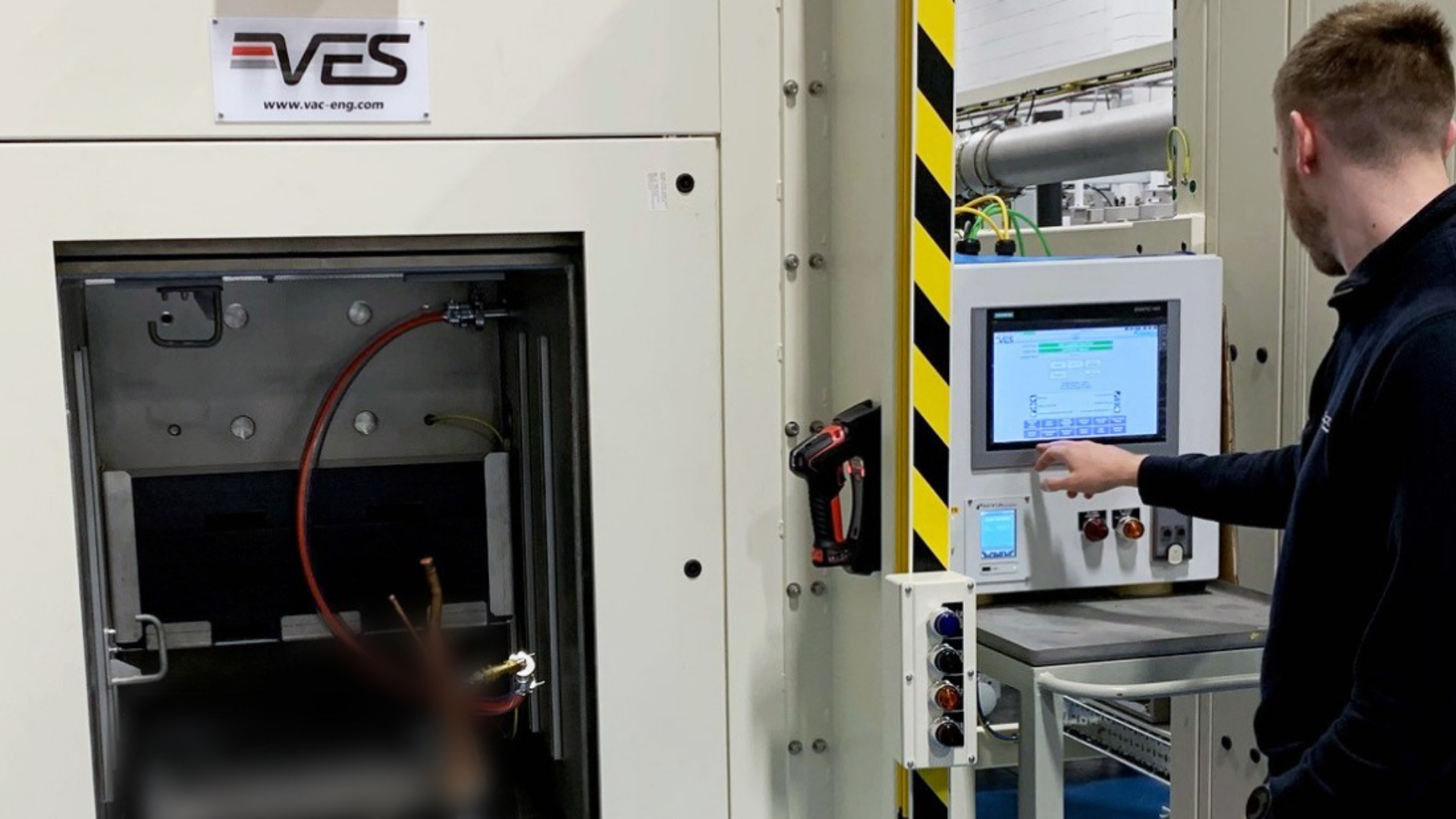
Finally, leak detection demands careful, precise work. Simple mistakes in setting up the test, handling the equipment, or interpreting the readings can lead to bad parts passing or good parts failing. Training should not be a one-off event; keep your team updated regularly, especially when introducing new gear. Automating steps where possible and ensuring your control interfaces are clear and intuitive can also remove a lot of human variability.
Ultimately, you need a leak testing process that you can trust blindly. A green light needs to mean the part is good, and a red light means it is definitely bad. Building robust leak testing processes requires tackling these common pitfalls head-on. If you are tired of watching false failures eat into your margins and slow down your line, it might be time to rethink how you approach your testing. Here at VES, we are always ready to help you build a dependable, tailored solution that keeps your production moving exactly the way it should.