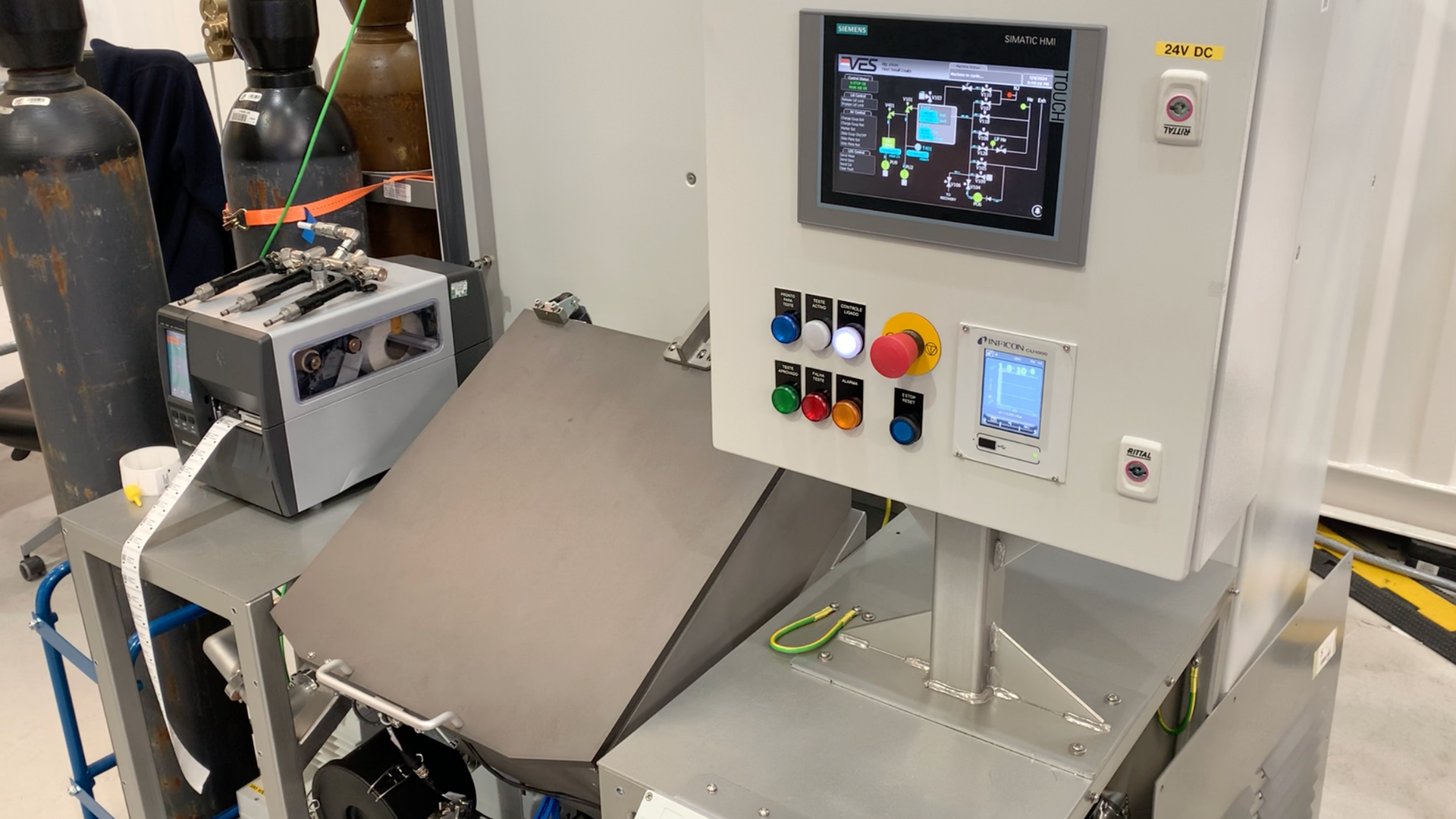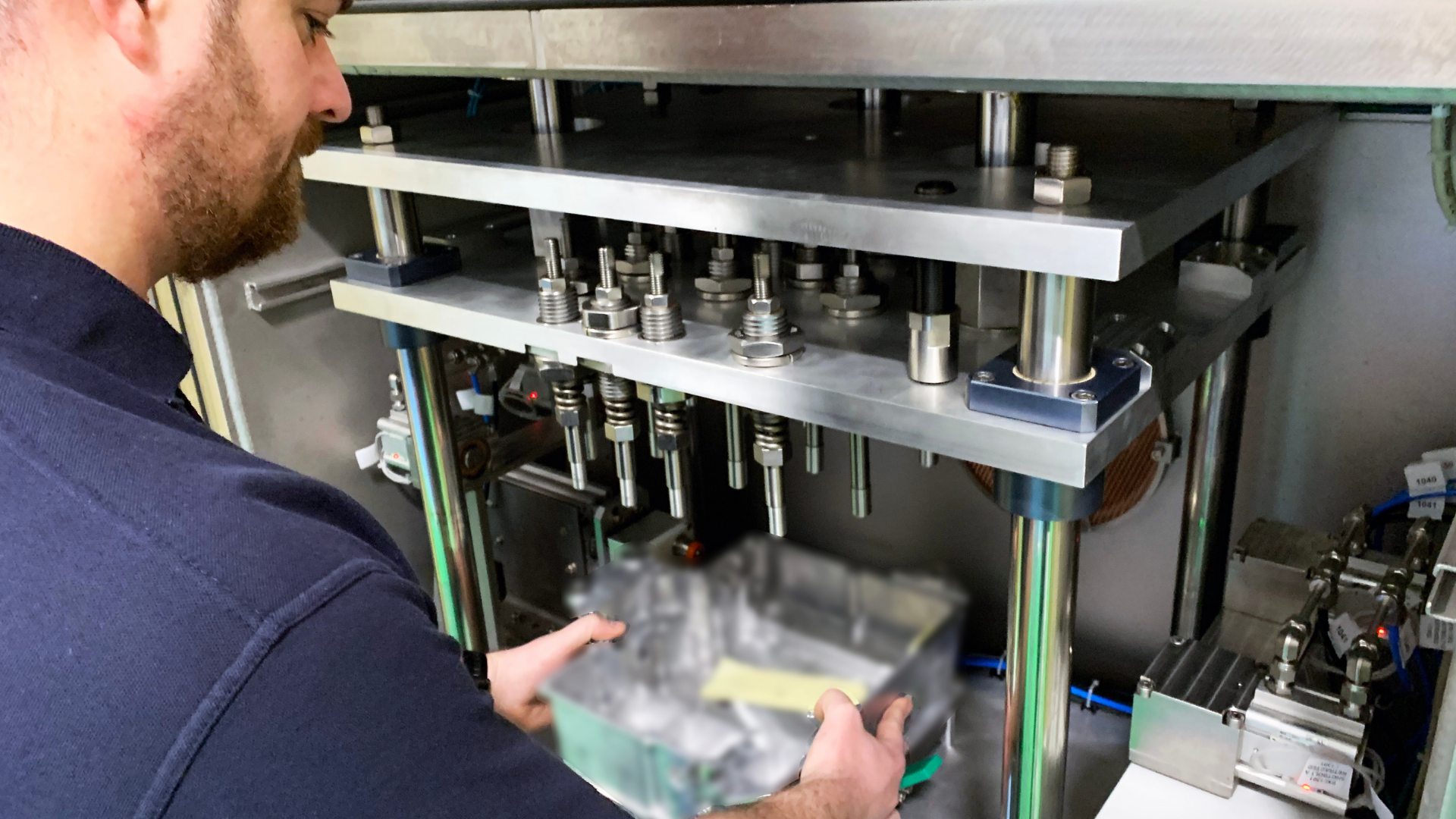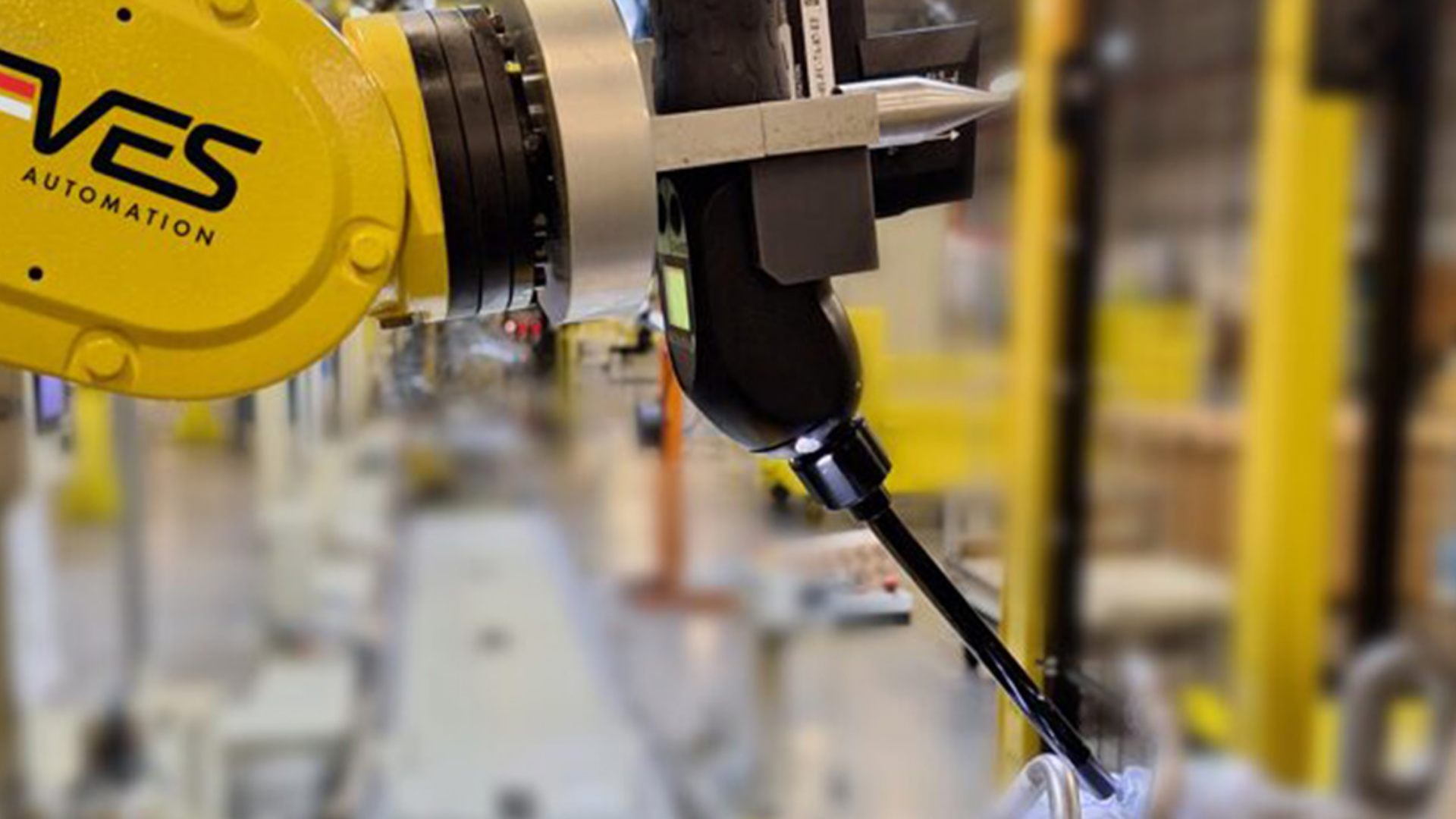
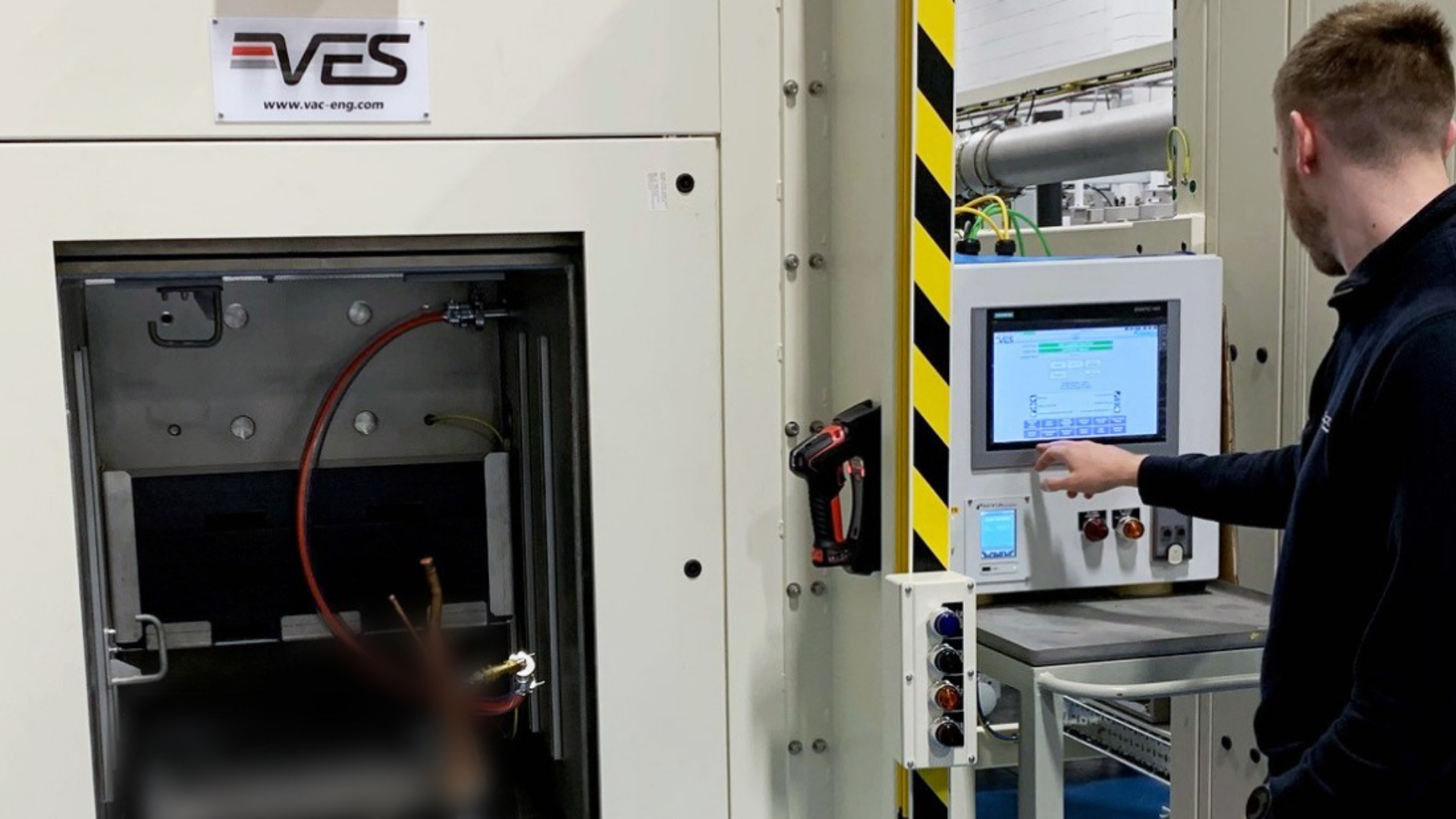
Leak detection for HVAC components checks parts such as condensers, evaporators, radiators, heat exchangers, coils and air conditioning hoses before they are released into production or final assembly. The aim is to confirm that each component can meet its leak rate requirement and perform reliably in service.
For HVAC manufacturers, leak detection is a critical part of quality assurance. Components often need to contain refrigerant or operate under pressure, and even small leaks can affect performance, environmental compliance and customer confidence.
VES designs HVAC leak testing systems for manufacturers that need reliable, repeatable and production-ready leak detection. For the main sector page, see HVAC leak testing systems.
What Is HVAC Component Leak Detection?
HVAC component leak detection is the process of testing manufactured parts for leaks using a method suited to the component and the required sensitivity. It can be used for individual parts, sub-assemblies or finished products.
The test method is usually selected around four questions:
- What component is being tested?
- What leak rate must be achieved?
- How many parts need to be tested per shift?
- Does the process need to locate a leak or only confirm pass/fail?
These questions matter because different components behave differently under test. A compact heat exchanger, a long air conditioning hose and a large radiator may all require different tooling, handling and gas management.
HVAC Components That Typically Need Leak Testing
HVAC leak testing can be used across a wide range of components, including:
- Condensers.
- Evaporators.
- Radiators.
- Heat exchangers.
- Refrigeration coils.
- Air conditioning hoses.
- Heat pump components.
- Pressure assemblies.
- Thermal management parts.
The common requirement is confidence. Manufacturers need to know that parts leaving the line meet the agreed leak rate and that the test process is repeatable enough for production.
Condenser and Evaporator Leak Detection
Condensers and evaporators are common HVAC components for leak testing because they are directly linked to refrigerant containment and product performance. A leak can reduce efficiency, create warranty risk and cause failures that may only become visible after installation.
The correct test approach depends on the component design, material, internal volume and production rate. Helium leak testing may be used where sensitivity is important, while other methods may be suitable where the leak rate threshold is less demanding.
Radiator, Heat Exchanger and Coil Leak Testing
Radiators, heat exchangers and coils often require careful fixture design. The test must seal the part correctly, avoid damage, maintain repeatability and support the required cycle time.
Hard vacuum helium testing can be useful where high sensitivity is required and the part can be placed in a chamber. Accumulation testing can be considered where chamber testing is not the best fit. Sniffer testing may be helpful for locating leaks on accessible surfaces, especially during diagnosis or rework.
For a deeper look at coil-specific testing, use the related article on HVAC coil leak testing once published.
Air Conditioning Hose and Assembly Leak Testing
Air conditioning hoses and assemblies can create different challenges. They may be flexible, vary in length, or require specific connection and sealing methods. The test process must control these variables so that failures are real product failures rather than fixture or handling issues.
VES design systems around the product and production environment, helping manufacturers control the test conditions as well as the detection method.
Choosing Between Hard Vacuum, Accumulation and Sniffer Methods
There is no single best leak detection method for every HVAC component.
Hard vacuum testing is commonly selected where sensitivity, repeatability and production pass/fail confidence are required.
Accumulation testing can be a practical option where the part cannot be tested in a conventional vacuum chamber or where the required leak rate allows for atmospheric testing.
Sniffer testing is useful for locating leaks, checking joints and supporting rework, but it may not be the strongest option for every high-volume production pass/fail requirement.
VES can specify helium leak testing systems around the part, required leak rate, cycle time and level of automation required. See helium leak testing systems for more on the wider system options.
Production Factors: Leak Rate, Throughput and Automation
In a production environment, the test system must support throughput as well as sensitivity. It should be designed around:
- Required leak rate.
- Production volume.
- Cycle time.
- Fixture and tooling design.
- Operator access.
- Automation requirements.
- Data capture and traceability.
- Calibration and maintenance.
This is where bespoke system design becomes important. A leak test machine must fit the part and the line, not only the test method on paper.
Linking Component Testing to Helium Recovery
If helium is used at scale, operating cost and gas availability can become part of the business case. In suitable processes, VES PURE helium recovery systems can recover, repurify and reuse helium, helping reduce waste and improve long-term running costs.
Helium recovery should be considered where helium use is regular, volume is significant and the test process allows useful gas to be recovered. See PURE helium recovery systems.
Speak to VES About HVAC Component Leak Detection
Discuss your HVAC component range with VES and identify the leak testing approach that best fits your parts, required leak rates and production environment.